
Intel Celeron G3900
4.6Editor score
2 Cores 2 Threads
2.80 GHz Clock Speed
Low Power Consumption
This guide compares the top ten low power CPU options for efficient computing, home servers, and energy savings in October 2026.
Finding the right low power CPU is essential for building energy-efficient systems that run quietly and stay cool without sacrificing too much performance for everyday tasks.
We compared ten real products based on core counts, thread counts, thermal design power, and user ratings to help you choose the best option for your specific build needs.
Each pick shows key specifications and performance traits so you can decide quickly while keeping in mind that prices and availability can change frequently on the market.
4.6Editor score
4.7Editor score

4.1Editor score
The following table provides a side-by-side comparison of all ten low power CPU options selected for this guide, highlighting their core counts, clock speeds, and key compatibility features to help you make an informed decision quickly.


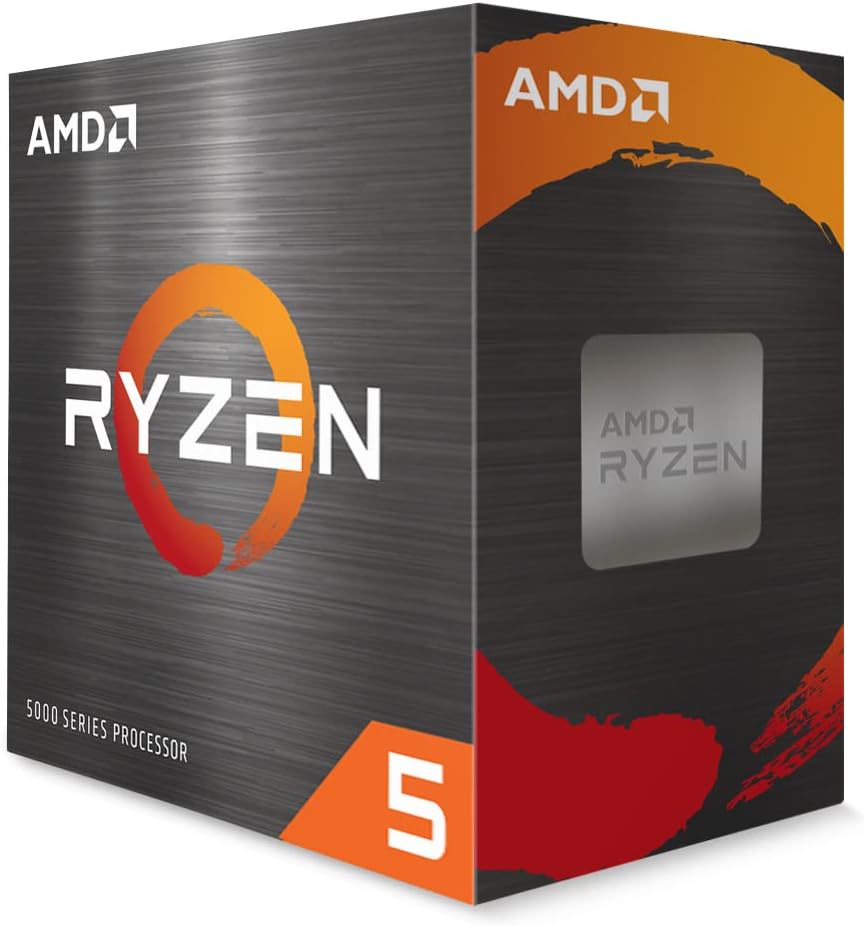
The AMD Ryzen 5 5500 stands out as a top contender in the low power CPU market due to its robust core count and impressive threading capabilities that deliver smooth performance for demanding workloads without excessive energy draw.
We may earn a commission when you buy through this link, at no additional cost to you.
With 6 cores and 12 threads paired with a 4.2 GHz max boost clock, this processor can handle modern gaming and productivity tasks efficiently while remaining compatible with the widely adopted Socket AM4 platform for easy upgrades.
While it does require a discrete graphics card for video output and limits memory support to DDR4-3200, these trade-offs are acceptable given the exceptional price-to-performance ratio and the inclusion of a reliable cooling solution in the box.
For users seeking a balanced low power CPU that excels in both everyday computing and gaming scenarios, the Ryzen 5 5500 is a highly recommended choice that offers future-proofing potential at an accessible price point.
This processor delivers fast 100 plus FPS performance in popular games when paired with a suitable discrete graphics card, making it ideal for budget gaming builds.
Bundled with the AMD Wraith Stealth cooler, the system maintains optimal temperatures even under load, ensuring quiet operation and longevity.
We may earn a commission when you buy through this link, at no additional cost to you.
This unique Mini-ITX motherboard bundles an 8th-generation U-series quad-core 8-thread low-power CPU that delivers up to 3.9GHz turbo frequency with only 15W TDP, making it perfect for home servers and network appliances.
We may earn a commission when you buy through this link, at no additional cost to you.
The integrated features include dual 2.5GbE RJ45 network ports, eight SATA ports, and support for two M.2 NVMe drives, providing extensive connectivity options for storage and networking in a single compact unit.
Potential buyers should note a known sleep mode bug and the requirement for both 24PIN and 4PIN power connections, but the dual ball-bearing fan cooler ensures efficient thermal management during continuous operation.
If you need a powerful yet energy-efficient solution for NAS, firewall, or virtualization tasks, this all-in-one low power CPU and motherboard combo offers superior performance compared to standard low-power chips.
Dual 2.5GbE ports and eight SATA connectors allow for robust network security and multi-bay storage configurations in a small form factor.
With VT-x and VT-d support, the system handles virtual machines smoothly for efficient operation in server environments.
We may earn a commission when you buy through this link, at no additional cost to you.
The Intel Celeron G3900 is a classic choice for budget builders seeking a low power CPU that handles basic computing tasks without breaking the bank or drawing significant power from the wall.
We may earn a commission when you buy through this link, at no additional cost to you.
Featuring a dual-core design with a clock speed of 2.80 GHz and LGA1151 socket compatibility, it offers straightforward performance for web browsing, office work, and light media playback.
While it lacks hyper-threading and is limited to two threads, which can bottleneck heavy multitasking, these limitations are acceptable for entry-level systems where cost and efficiency are the primary concerns.
For anyone assembling a simple office PC or a light home theater system, the Celeron G3900 provides a dependable low power CPU foundation that keeps system costs to a minimum.
The dual-core architecture is optimized for everyday tasks like web browsing and document editing without unnecessary power draw.
LGA1151 socket ensures compatibility with a wide range of affordable Skylake-based motherboards for flexible build options.
We may earn a commission when you buy through this link, at no additional cost to you.
The Intel Celeron G5900 offers a higher base clock of 3.4 GHz while maintaining a modest 58W TDP, making it a solid option for those needing slightly more raw single-thread speed within a low power CPU class.
We may earn a commission when you buy through this link, at no additional cost to you.
Compatible with Intel 400 series chipsets and featuring LGA1200 socket support, this processor allows for modern board selection and includes Intel Optane Memory support for potential storage acceleration.
Although it is restricted to two cores and two threads which limits complex workload handling, the higher frequency helps it remain responsive for daily computing tasks and light media consumption.
Users looking for a straightforward low power CPU with a slightly higher frequency cap than older Celerons will find the G5900 a practical and affordable upgrade path for basic systems.
Intel Optane Memory Support allows users to enhance system responsiveness with compatible storage configurations.
LGA1200 socket ensures compatibility with newer Intel 400 series chipset motherboards for better connectivity.
We may earn a commission when you buy through this link, at no additional cost to you.
The Intel Celeron G5905 improves upon the previous model with a 3.5 GHz base frequency, offering a noticeable bump in single-thread performance while still fitting the low power CPU profile for small builds.
We may earn a commission when you buy through this link, at no additional cost to you.
As a boxed processor with LGA1200 socket support, it comes ready for immediate installation and ensures compatibility with a broad range of affordable motherboards for easy system assembly.
Despite the higher clock speed, it remains limited to dual-core performance which can be a bottleneck for heavy multitasking, but this is rarely an issue for light office or media applications.
If you need a low power CPU that delivers slightly faster clock speeds for better responsiveness without increasing power consumption significantly, the G5905 is a worthy choice for basic systems.
A 3.5 GHz base frequency provides quicker reaction times for everyday computing tasks compared to slower variants.
Boxed packaging typically includes necessary mounting hardware and documentation for a straightforward setup process.
We may earn a commission when you buy through this link, at no additional cost to you.
The Intel I-7 2600S is a legacy low power CPU known for its efficient cache subsystem and optimization for multi-threaded games, delivering high bandwidth and low latency performance with DDR3 memory.
We may earn a commission when you buy through this link, at no additional cost to you.
It features a 2.8 Ghz base clock and supports three channels of DDR3 1066 MHz memory, which provides a stable foundation for older builds where power consumption is a concern.
While it is no longer supported and requires DDR3 memory which is becoming rare, its ability to achieve high data transfer speeds makes it a nostalgic choice for retro system builders.
For those reviving older hardware or seeking a low power CPU with proven gaming optimization from a past era, the 2600S offers solid performance at a low cost.
Optimized multi-threaded game performance comes from a higher-performance cache subsystem and low latency memory controller.
Supports three channels of DDR3 memory enabling efficient data transfer for applications and games of its time.
We may earn a commission when you buy through this link, at no additional cost to you.
The Intel Celeron G4900 is an entry-level low power CPU featuring a 3.1 GHz base frequency and a thermal solution included in the box, making it easy to start a simple build quickly.
We may earn a commission when you buy through this link, at no additional cost to you.
Compatible with Intel 300 Series chipset motherboards and operating at a cool 54W TDP, this processor provides enough power for basic web browsing and office tasks without demanding excessive cooling.
While the dual-core limitation restricts multitasking capabilities and future upgrades, the included cooling solution simplifies the build process and reduces additional costs for entry-level users.
If you need a no-fuss low power CPU that runs cool and comes with a fan, the G4900 is a practical choice for very basic computing needs.
Thermal solution included simplifies setup by removing the need for a separate fan purchase.
With a 54W TDP, it keeps energy bills low and runs quietly in small cases.
We may earn a commission when you buy through this link, at no additional cost to you.
The AMD Athlon 200GE delivers reliable computing for everyday users with Radeon Vega 3 graphics integrated for smooth videos and gaming without needing a dedicated graphics card.
We may earn a commission when you buy through this link, at no additional cost to you.
Featuring 2 cores and 4 threads with a near-silent cooler, this low power CPU offers better multitasking than dual-thread rivals while staying cool and quiet in a desktop environment.
While it is not designed for heavy gaming, the platform is upgradeable to Ryzen CPUs on Socket AM4, giving users a clear path for future performance increases without changing the motherboard.
For those seeking a budget-friendly low power CPU that includes decent graphics capability and room for future upgrades, the Athlon 200GE is a smart and flexible pick.
Includes Radeon Vega 3 Graphics allowing for smooth video playback and light gaming without extra hardware.
Socket AM4 compatibility allows for easy platform upgrade to higher-end Ryzen processors in the future.
We may earn a commission when you buy through this link, at no additional cost to you.
This Intel Celeron G3900 variant supports ECC memory and features a 51 Watts TDP, making it a unique choice for low power CPU needs in environments where stability is paramount.
We may earn a commission when you buy through this link, at no additional cost to you.
The package includes integrated Intel HD Graphics 510 but is CPU only without paste or fan, allowing users to choose their own cooling solution for custom or silent builds.
While it lacks the convenience of a boxed cooler, the support for ECC memory and extremely low power draw appeal to users building stable, always-on servers or network appliances.
If you require a low power CPU with ECC support and need the freedom to select custom cooling, this specific G3900 SKU is a reliable option.
Supports ECC Memory for enhanced data reliability in critical server or storage applications.
51 Watts TDP ensures minimal energy use and heat output for silent operation.
We may earn a commission when you buy through this link, at no additional cost to you.
The Intel Core i7-6700T is a low power CPU that delivers quad core performance at a 2.8GHz base frequency, making it a compact and efficient option for space-constrained systems.
We may earn a commission when you buy through this link, at no additional cost to you.
As a tray CPU, it typically arrives without retail packaging which can reduce cost but requires careful handling during installation to avoid damage to the pins or components.
While it is an older generation processor compared to modern options, its design remains efficient enough for media centers or light home servers that prioritize low energy usage over raw speed.
For builders needing a reliable low power CPU with quad core capabilities and a small footprint, the 6700T offers a solid balance of performance and efficiency at a reasonable price.
The low TDP design ensures minimal heat output and energy usage for compact system builds.
Tray packaging requires careful handling during installation to protect the processor from static or physical damage.
We may earn a commission when you buy through this link, at no additional cost to you.
Selecting the right low power CPU involves balancing thermal design power, core count, and compatibility with your existing hardware to ensure optimal performance and energy efficiency.
Thermal Design Power or TDP indicates the maximum amount of heat your CPU generates under load which directly affects cooling requirements and energy consumption.
Look for a TDP below 65W for low power CPUs to ensure your system runs cooler and consumes less electricity overall.
More cores and threads allow the CPU to handle multiple tasks simultaneously which is crucial for multitasking and modern applications.
Choose a low power CPU with at least 4 cores if you plan to run several programs at once or engage in light content creation.
Clock speed measured in GHz determines how fast the processor can execute instructions per second affecting overall responsiveness.
A higher base clock helps the low power CPU stay snappy even when operating at reduced power states during idle times.
Your CPU must match the socket type on your motherboard to work correctly so always verify the socket before buying.
Common sockets like LGA1200 and AM4 offer wide compatibility and upgrade paths for future low power CPU replacements.
Integrated graphics eliminate the need for a separate graphics card which reduces power usage and simplifies your system build.
If you do not need heavy gaming, select a low power CPU with capable integrated graphics to save on additional hardware costs.
The type of memory your CPU supports such as DDR4 affects bandwidth and overall system performance significantly.
Ensure the low power CPU supports the memory speed and type your motherboard is configured to handle for optimal stability.
Consider whether the platform allows for future upgrades so you can improve performance without replacing your motherboard later.
A low power CPU on an upgradeable socket gives you flexibility to switch to a higher-end model when your needs grow.
Low power CPUs vary widely in price so set a budget that aligns with your performance needs to avoid overspending.
Focus on value for money by balancing performance specs against the total cost including cooling and necessary accessories.
Install the low power CPU carefully into the motherboard socket ensuring no pins are bent before securing the retention mechanism.
Apply thermal paste evenly between the CPU and cooler to maximize heat transfer and prevent overheating during operation.
Maintain adequate airflow in your case and clean dust regularly to keep the low power CPU running efficiently over time.
A low power CPU is designed to consume less electricity and generate less heat than standard processors. It usually has a TDP below 65W making it ideal for energy-efficient builds. These processors prioritize efficiency over maximum raw speed for everyday tasks.
Yes for many use cases like web browsing office work and media playback they provide sufficient performance. Modern low power CPUs often have multiple cores which handle multitasking well. For heavy gaming or editing you may need a higher power option.
It depends on the specific product and packaging. Some come with a stock cooler while others are sold CPU only. Always check the product description to see if a fan is included before you buy.
Most low power CPUs are locked and cannot be overclocked safely. However some unlocked models allow slight increases in speed if your motherboard supports it. Check the product specs for overclocking capabilities.
AM4 and LGA1200 sockets are popular choices offering wide compatibility and upgrade options. These sockets support a range of low power CPUs and motherboards. Choosing the right socket ensures future upgrades are possible.
They consume significantly less power than high-performance chips which reduces electricity bills over time. The exact savings depend on usage and the specific TDP rating. Generally you will see noticeable energy efficiency.
Yes they are excellent for home servers and NAS appliances due to their efficiency. They run quietly and do not generate much heat which is ideal for continuous operation. Look for models with ECC support for reliability.
Tray CPUs come in bulk packaging without retail boxes or fans and are cheaper. Retail versions include a box warranty and usually a cooler. Check if you need a fan before buying a tray unit.
We reviewed ten top low power CPU options ranging from budget Celerons to efficient Ryzen and specialized server boards.
Prioritize TDP and core count based on your specific workload to get the best balance of performance and energy savings.
Always check current prices and availability as these values change frequently on the market before finalizing your purchase.