
The Braille Store Business Card Slate
4.9Editor score
Ultra-thin aluminum construction
Built-in signature guide
Includes durable Classic Stylus
This guide compares the top ten braille displays for blind users, reviewing features, compatibility, and build quality to help you choose the right accessible
Finding the right braille display can transform how blind users interact with digital content. A good device offers reliable connectivity, clear tactile feedback, and long battery life to support daily tasks effectively.
We evaluated ten products based on their specifications, user feedback, and accessibility features. This list covers refreshable displays, writing slates, and learning tools to suit different needs and budgets.
Each pick highlights key strengths and potential limitations to help you decide. Please note that product availability and pricing may change frequently, so verify details before purchasing.
4.9Editor score

5.0Editor score

5.0Editor score
The following table provides a side-by-side comparison of all ten products to highlight their unique specifications and intended uses for blind users.




The Brailliant BI 20X stands out as a powerful tool for blind users needing reliable access to digital text. It combines a refreshable display with robust connectivity options for seamless integration into daily workflows.
We may earn a commission when you buy through this link, at no additional cost to you.
Its 20-cell display offers clear tactile feedback, while cursor routing keys enable precise navigation. The device supports up to five Bluetooth connections, allowing easy switching between phones, tablets, and computers without cables.
While the display is compact, it may not suit users who prefer wider lines. Additionally, the investment required is significant compared to basic slates, but the functionality justifies the cost for many.
This device is ideal for students or professionals who need consistent access to braille. Its onboard apps and library support make it a comprehensive solution for reading and writing tasks on the go.
Connect up to five Bluetooth devices and one USB device simultaneously for effortless transitions between your phone, tablet, or computer without needing to unplug cables.
Access built-in apps like Editor, Calculator, and Victor Reader directly on the device to manage tasks without relying solely on external screen readers.
We may earn a commission when you buy through this link, at no additional cost to you.
The Brailliant BI 40X offers an expanded 40-cell display, catering to users who need more context per line. It maintains the reliable features of the 20X model with enhanced storage and connectivity.
We may earn a commission when you buy through this link, at no additional cost to you.
Its 40-cell width allows for reading longer words or code snippets without constant scrolling. The device supports multiple Bluetooth devices and includes robust onboard apps for various productivity needs.
The increased storage and wider display come at a higher price point. Users should consider if the extra width is necessary for their specific workflow before opting for this premium variant.
Best for advanced users or coders, this display delivers top-tier performance. It is a robust companion for daily digital interaction, offering stability and comprehensive support for blind professionals.
Read more text on a single line with the 40-cell refreshable display, reducing the need to scroll constantly through long documents or code.
Store more files and resources with 32GB of internal storage, ensuring you have ample space for documents, books, and applications.
We may earn a commission when you buy through this link, at no additional cost to you.
This classic braille slate provides a reliable manual writing experience for users who prefer traditional methods. It features a durable aluminum build and a generous 36-cell line width for flexibility.
We may earn a commission when you buy through this link, at no additional cost to you.
The slate is designed with pins down orientation, allowing for clear tactile feedback as you write. Its hinged design ensures easy opening and closing, while the included stylus simplifies embossing tasks.
While effective for short notes, it requires manual effort and does not connect to digital devices. This limitation may be a trade-off for those needing quick, battery-free transcription.
Ideal for students or beginners practicing braille, this slate offers a grounded learning tool. It remains a trusted option for creating physical braille documents without electronic dependencies.
Constructed from durable aluminum, this slate resists wear and tear, ensuring it lasts through years of daily use in various environments.
Features a thumb notch for easy opening and closing, making it simple to access the writing surface quickly whenever needed.
We may earn a commission when you buy through this link, at no additional cost to you.
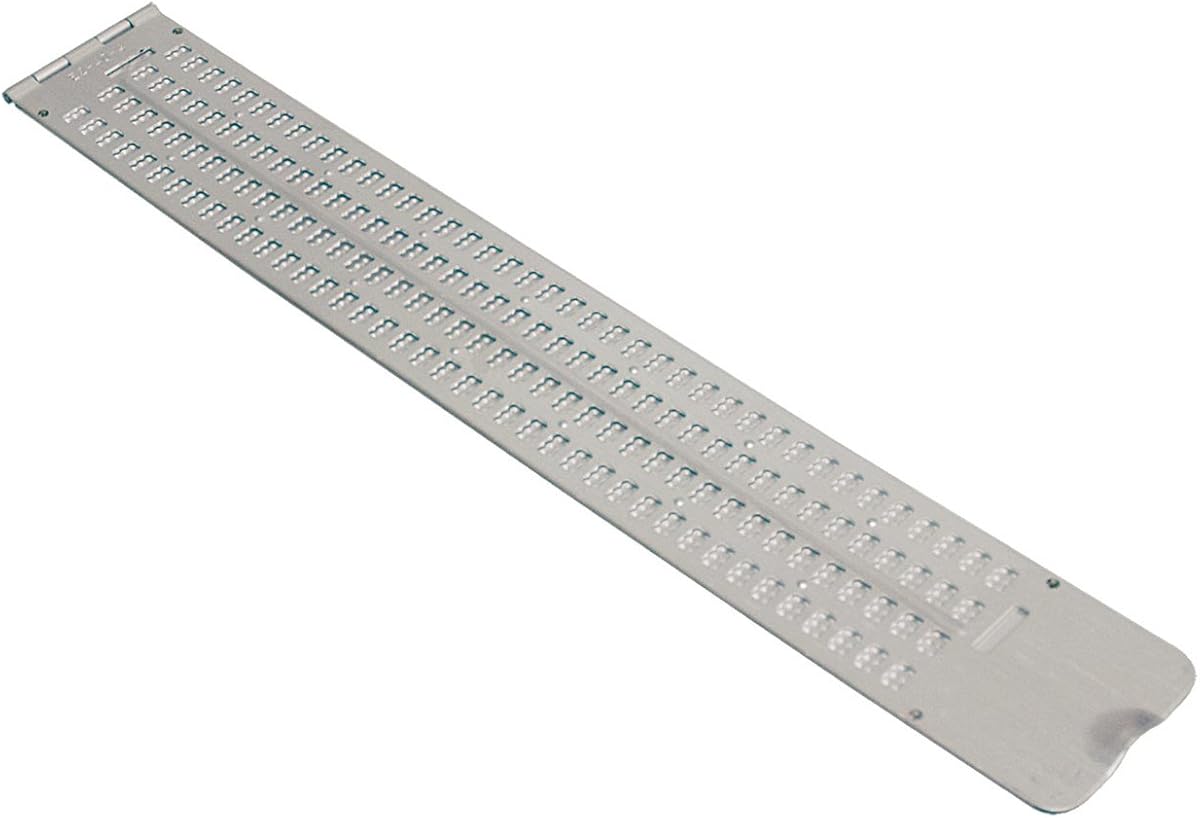
This business card slate offers an accessible entry point for those learning braille or needing quick labels. Its compact size and built-in guide ensure straight, professional embossing every time.
We may earn a commission when you buy through this link, at no additional cost to you.
With four lines of twelve cells, it is perfect for business cards, labels, or brief messages. The durable aluminum frame protects the writing surface while keeping the weight minimal for portability.
The limited writing space means it is not suitable for essays or large documents. However, for its intended purpose, it delivers exceptional value and reliability at a low cost.
Great for beginners or quick tasks, this slate is a practical accessory. It helps users practice braille skills without investing in larger or electronic devices.
Includes a built-in signature guide to help you emboss your name or signature perfectly straight for professional business cards or tags.
Measures about 4 inches by 2.5 inches, making it easy to carry in a pocket or bag for on-the-go writing needs.
We may earn a commission when you buy through this link, at no additional cost to you.
Designed to accept full letter-size sheets, this slate allows for uninterrupted writing without moving paper. It is a robust tool for long assignments or note-taking sessions.
We may earn a commission when you buy through this link, at no additional cost to you.
The plastic construction ensures quiet operation, making it suitable for shared environments. Built-in line numbers help you return to where you left off after an interruption.
While versatile, the slate is heavier than smaller models and requires manual effort to emboss. It does not offer digital connectivity, focusing solely on tactile writing tasks.
Best for students or home use, this slate supports extensive writing needs. It provides a practical way to create large braille documents without relying on electronic tools.
Specifically designed for 8.5 x 11 inch paper, allowing you to snap your sheet in and write across the entire page without edge limitations.
Made of durable plastic that produces braille far quieter than metal slates, making it ideal for classrooms or libraries.
We may earn a commission when you buy through this link, at no additional cost to you.
This pocket slate balances portability with writing width, offering four lines of forty cells. It fits easily into a briefcase or backpack for quick notes on the go.
We may earn a commission when you buy through this link, at no additional cost to you.
The pins up orientation and lightweight aluminum ensure comfortable handling. Despite its small size, it supports a wide range of braille input for short tasks.
It lacks digital connectivity and is best suited for temporary notes. However, its compact design makes it a reliable backup tool for situations where screens are not practical.
Ideal for travelers or professionals needing quick access, this slate is a handy addition. It ensures you can record braille notes without needing a full-size setup.
Made of lightweight, durable aluminum that is easy to carry without adding significant weight to your bag or pocket.
Features four lines with forty cells each, providing generous width for writing without constant scrolling.
We may earn a commission when you buy through this link, at no additional cost to you.
The Hable One offers a unique approach to braille input, connecting seamlessly to smartphones and tablets. It allows users to type privately using tactile buttons without needing to see the screen.
We may earn a commission when you buy through this link, at no additional cost to you.
Its design is intuitive enough for beginners, supported by free onboarding calls and tutorials. The device integrates with built-in screen readers and voice commands for a cohesive accessibility experience.
While it is not a display, it provides a private and efficient way to enter text. The one-month battery life ensures it remains ready for daily use without frequent recharging.
Best for users wanting portable input, this keyboard bridges the gap between mobile tech and braille. It is an empowering tool for those seeking independence in digital communication.
Connects easily to your iPhone and Android smartphones and tablets, allowing you to navigate and type accurately with its eight tactile buttons.
No prior braille knowledge is needed to start, and you get access to free onboarding calls and tutorials to help you master it quickly.
We may earn a commission when you buy through this link, at no additional cost to you.
This handheld label maker simplifies organizing items with braille. It produces clear braille on vinyl tape using a simple dial and trigger mechanism, making it easy to use.
We may earn a commission when you buy through this link, at no additional cost to you.
The device is durable and lightweight, ideal for quick tasks at home or work. Including a roll of tape helps you start labeling immediately after purchase.
It relies on manual effort and needs occasional tape refills. However, for organizing shelves or containers, it provides a reliable and accessible solution.
Great for home management, this labeler ensures everything is clearly marked. It is a practical tool for maintaining order without visual identification.
Spin the dial to select letters and squeeze the trigger to emboss braille symbols, making the process straightforward and efficient.
Can emboss braille on standard 3/8 or 1/2 inch vinyl labeling tape for versatile labeling options.
We may earn a commission when you buy through this link, at no additional cost to you.
These overlays add braille to existing keyboards, creating a bilingual tactile interface. They are made of transparent Lexan so original key legends remain visible beneath the stickers.
We may earn a commission when you buy through this link, at no additional cost to you.
Using 3M adhesive, they stay securely in place without slipping or curling. This economical option is simple to install by peeling and sticking directly onto your keys.
While they do not replace a full display, they aid tactile recognition on standard keyboards. They are best for shared computers or office setups needing quick braille access.
Ideal for low vision users, these stickers help navigate typing tasks. They offer a practical way to enhance keyboard accessibility without buying new hardware.
The braille stickers are printed on clear Lexan so the original key legend shows through, allowing you to keep your existing keyboard layout.
The stickers use 3M adhesive that does not slip, ooze, or curl, ensuring they remain attached during daily use.
We may earn a commission when you buy through this link, at no additional cost to you.
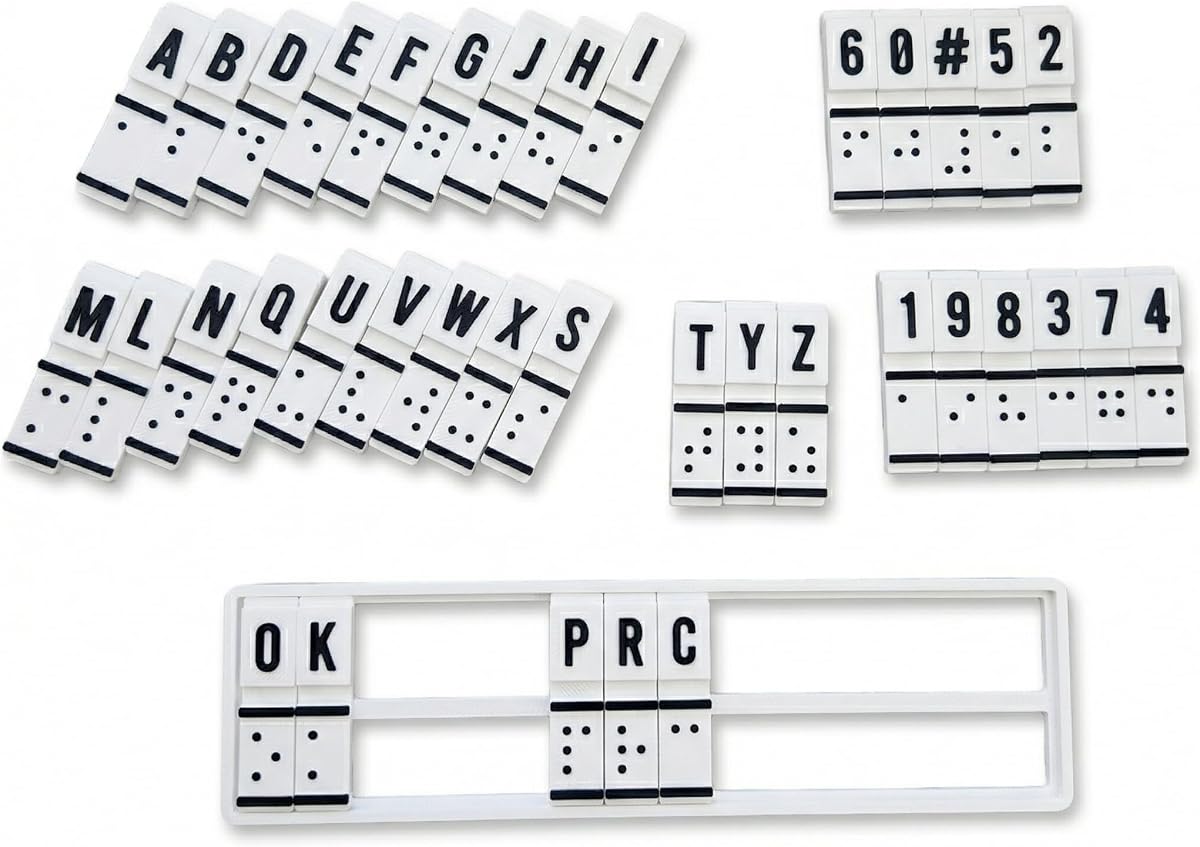
This interactive trainer combines education and translation functions in one compact device. It helps beginners learn braille patterns and convert text tactually without needing electronics.
We may earn a commission when you buy through this link, at no additional cost to you.
Designed for blind and low-vision users, it features raised cells and manual input mechanisms. It supports muscle memory development for reading and writing without visual cues.
While the rating suggests room for improvement, it offers a portable aid for practice. Its sturdy build makes it suitable for repeated use in homes or therapy sessions.
Best for self-study or classroom teaching, this tool builds confidence in literacy skills. It bridges communication between sighted and non-sighted users through practical engagement.
Features raised braille cells and mechanisms for manual input and output, allowing users to feel and create braille directly.
Sturdy build for repeated use in homes, schools, therapy sessions, or on-the-go for consistent practice.
We may earn a commission when you buy through this link, at no additional cost to you.
Selecting the right braille device requires considering your specific needs, budget, and how you plan to use it daily. Below are key factors to help guide your decision.
The number of cells determines how much text you see at once. Options range from 20 cells for compact use to 40 cells for wider reading lines. Consider how much context you need without scrolling.
Look for Bluetooth and USB support to connect with phones, tablets, or computers. Devices supporting multiple connections offer flexibility when switching between different platforms regularly.
Long battery life ensures uninterrupted use throughout the day. Most modern displays offer up to 20 hours, but check if charging is via USB-C for convenience.
Decide if you need a digital display or a manual slate. Refreshable displays connect to computers, while slates are ideal for quick notes without electronics.
Consider the weight and size if you carry the device daily. Compact models fit easily in bags, while larger ones offer more features but less convenience on the go.
Some devices come with tutorials or onboarding support. Ensure the product provides resources to help you adapt quickly if you are new to braille technology.
Prices vary widely between electronic displays and simple slates. Balance your financial constraints with the features you need to ensure value over time.
Verify that the device works with your preferred screen reader software. Seamless integration prevents frustration and enhances productivity across different applications.
Charge the device regularly using the recommended adapter to prolong battery health. Follow the manufacturer's guidelines for battery maintenance to avoid unexpected power failures.
Many modern braille displays support Bluetooth connectivity, allowing them to pair with both iOS and Android devices. Check the product specifications to confirm specific OS compatibility.
No, manual slates are designed for writing on paper and do not connect to digital files. You would need a refreshable display for that functionality.
Most rechargeable braille displays offer up to 20 hours of use on a single charge. Actual performance may vary depending on usage patterns and connected devices.
Yes, most refreshable displays are designed to work seamlessly with popular screen reader software like NVDA, JAWS, or VoiceOver.
Pins down means the braille dots are raised on the paper when you write, while pins up means the paper is placed over raised pins. It affects how you write manually.
Yes, learning tools often provide tactile feedback and structured practice which helps build muscle memory before transitioning to more complex electronic devices.
Always check current prices and availability before purchasing to ensure you get the best deal. Your choice should align with your daily workflow to maximize independence and productivity.