
Uniden BC365CRS
4.2Editor score
500 Channel Capacity
Built-in FM Radio
Weather Alerts Included
Backlit LCD Display
Compare the top fire and police scanner for home use models with features like trunking, weather alerts, and digital decoding to stay informed on local events.
Keeping up with local emergency communications requires a reliable device capable of tuning into various radio frequencies. A good scanner provides real-time updates on police, fire, and weather activities, ensuring you stay informed about happenings in your community.
This guide compares ten leading models designed for home use, ranging from budget-friendly analog units to advanced digital trunking systems. We evaluated each based on channel capacity, signal clarity, ease of use, and specialized features like weather alerts and GPS integration.
Each pick highlights unique strengths to help you match a scanner to your specific monitoring needs and technical comfort level. Note that availability and stock levels may fluctuate, so verify current options before making your final selection decision today.
4.2Editor score

4.2Editor score

4.5Editor score
The following table provides a side-by-side comparison of all ten selected scanners, highlighting their core specifications and unique capabilities to help you narrow down your choices efficiently.

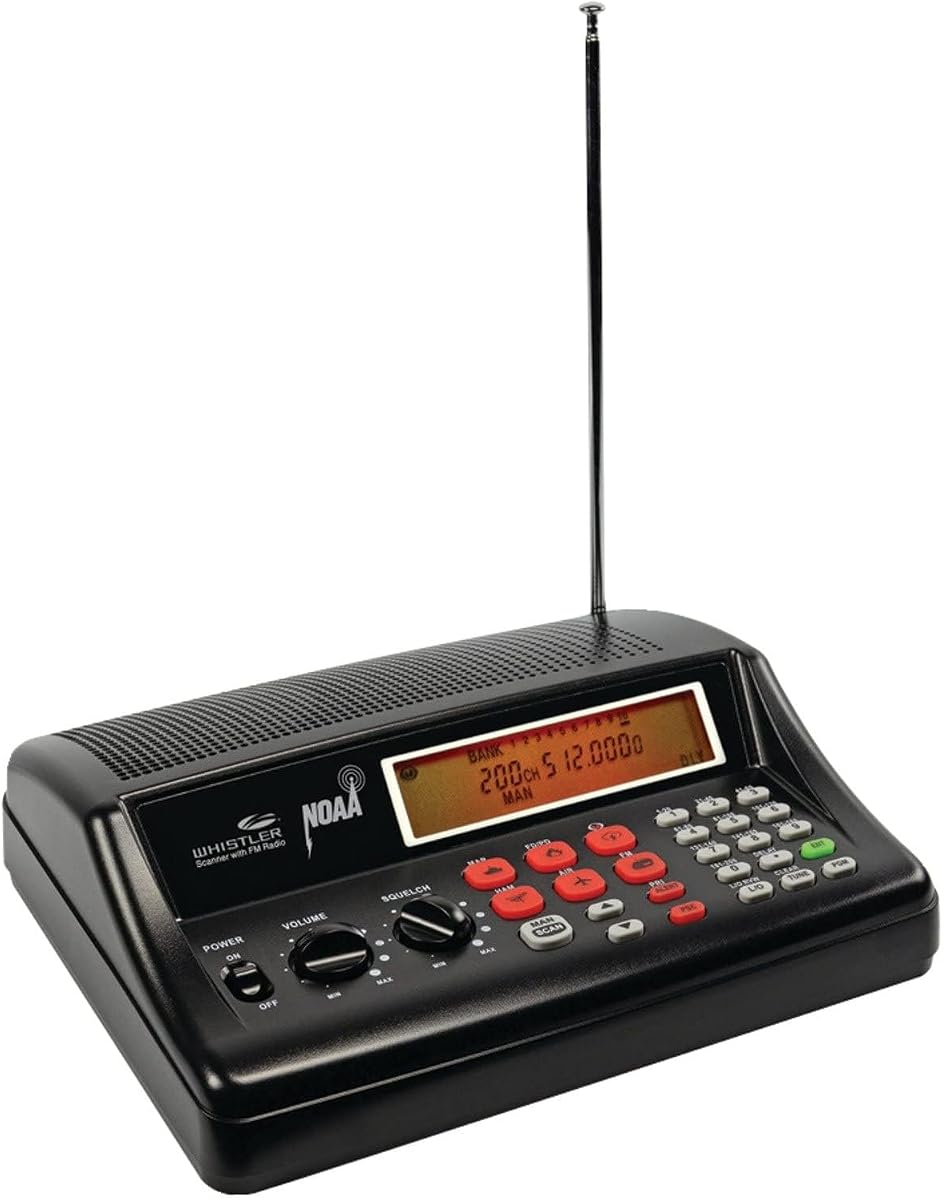




The Uniden BC365CRS serves as an accessible entry point for home monitoring enthusiasts. With a 4.2 rating, it offers a practical mix of scanning capabilities and everyday utility features. Its compact desktop design makes it easy to place on any shelf or desk.
We may earn a commission when you buy through this link, at no additional cost to you.
This scanner includes pre-sets for popular bands like police, fire, weather, and aviation. You can store up to thirty FM stations for quick access to local news or music. The alarm clock function allows you to wake up to scanning or weather updates, adding daily value beyond emergency monitoring.
Users should note that this model only handles analog signals, which limits its utility in areas transitioning to digital systems. The lack of trunking support means it may miss communications in certain urban zones. However, for rural or suburban areas using conventional analog, it remains effective.
Ideal for beginners or casual listeners, this model balances cost and function well. It is perfect for those who want basic emergency updates without complex programming. If your area relies on traditional analog transmissions, this unit provides reliable performance at a low cost.
The alarm and FM radio features transform this scanner into a multifunctional desktop device beyond just emergency monitoring.
Intuitive button placement and a backlit screen ensure you can operate the unit comfortably even in low-light conditions.
We may earn a commission when you buy through this link, at no additional cost to you.
The Uniden BC355N is designed for users who need flexibility between home and vehicle use. Rated 4.0, it features Close Call Capture to quickly locate nearby active signals. This makes it easier to discover local activity without knowing specific frequencies beforehand.
We may earn a commission when you buy through this link, at no additional cost to you.
You can save up to 300 frequencies and categorize them for easy access. The unit comes with AC and DC power cables, allowing seamless transition between desk and car setups. The backlit display ensures readability in dark environments, a crucial feature for night scanning.
While it covers essential bands like aviation, marine, and weather, it lacks digital trunking capabilities. Urban users may find it misses encrypted or digital police/fire communications. However, for analog monitoring in rural areas, it delivers clear reception and reliable performance.
This scanner suits hobbyists wanting a versatile portable option. If you travel frequently or want to move the unit between locations, its base/mobile design is a strong advantage. It is an excellent step up from basic desktop models for active listeners.
This feature detects nearby transmitters instantly, helping you find active channels without manual searching.
Multiple power options let you run the scanner at home or in your vehicle with equal ease.
We may earn a commission when you buy through this link, at no additional cost to you.
The Whistler WS1025 offers straightforward analog scanning for home use. With a 4.1 rating, it focuses on core functionality without unnecessary complexity. Its backlit LCD display ensures you can read frequency data clearly in any lighting condition.
We may earn a commission when you buy through this link, at no additional cost to you.
The priority channel function checks important frequencies every two seconds, ensuring you never miss critical alerts. Scan delay allows you to hear replies on channels before moving on. The tune function helps you find unlisted frequencies manually starting from a set point.
With only 200 channels, this model is best for localized monitoring rather than broad regional coverage. It does not support digital or trunked systems, limiting its use in areas upgrading communications. However, it remains reliable for analog police, fire, and weather bands.
Recommend for experienced analog scanner users, this unit provides essential tools for custom programming. It is a solid choice for those who prefer hands-on frequency management over automated features. For simple home listening, it delivers consistent performance.
Regular checks on priority channels ensure you stay updated on high-priority communications without constant manual scanning.
The tune function empowers users to discover specific frequencies manually, adding flexibility to standard preset scanning.
We may earn a commission when you buy through this link, at no additional cost to you.
The Whistler WS1065 bridges the gap between analog and digital monitoring. Rated 4.2, it handles P25 Phase 1 and Phase 2 systems effectively. Its V-Scanner technology adapts to shifting signals, maintaining clarity even during challenging reception conditions.
We may earn a commission when you buy through this link, at no additional cost to you.
You get 1800 memory channels and dynamic allocation to prevent wasted space. The multi-color LED and audible alerts keep you informed visually and audibly. PC programming via USB is fast, making it easy to update frequencies and firmware regularly.
Users must invest time to understand trunking systems and programming. It is less user-friendly than automated home scanners but offers granular control for enthusiasts. Without this model, monitoring digital public safety networks would require much more complex equipment setups.
Ideal for users in areas with digital communications, this scanner provides professional-grade performance. It is suitable for those who want to manage their own database and enjoy detailed signal monitoring. For serious hobbyists, it delivers robust digital decoding.
Real-time signal adaptation ensures stable audio even when environmental factors cause signal interference or fading.
Define your own LED colors and audible tones to match specific channels or alert types to your preferences.
We may earn a commission when you buy through this link, at no additional cost to you.
The Uniden HomePatrol-2 simplifies digital scanning with a color touchscreen. Rated 4.1, it lets you select services via touch rather than complex menus. It covers both Phase 1 and Phase 2 P25 systems across the USA and Canada comprehensively.
We may earn a commission when you buy through this link, at no additional cost to you.
Sentinel software keeps the device updated with fresh databases automatically. You can monitor police, fire, EMS, aircraft, and military bands easily. The S.A.M.E. weather alert feature ensures you receive warnings specific to your geographic location reliably.
Setup is easy since it uses a built-in database rather than manual programming. However, the initial cost is higher than analog models, and it requires a USB connection for software management. Some users may prefer more physical controls over touch interfaces.
This scanner suits home users needing digital capability without technical headaches. It is perfect for those who want to stay informed on modern communications systems. If simplicity and reliability are priorities, this model offers excellent value for digital monitoring.
The digital touchscreen allows intuitive navigation, making complex features accessible to non-technical users easily.
Sentinel software ensures your scanner remains current with the latest frequency changes and system updates automatically.
We may earn a commission when you buy through this link, at no additional cost to you.
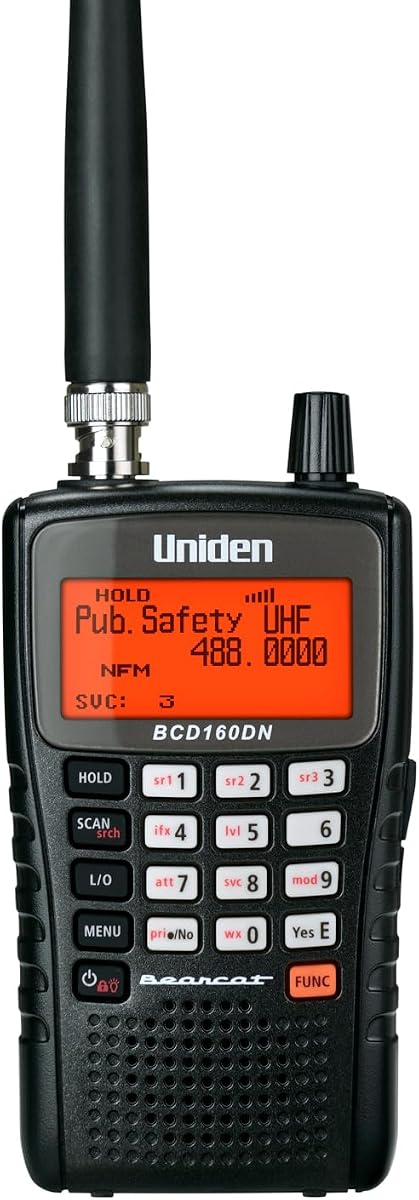
The Uniden BCD160DN offers handheld mobility with digital DMR and NXDN support. Rated 3.2, it includes exclusive features like band scope and rapid tagging. This allows you to identify system settings and detect signals faster than traditional scanning methods.
We may earn a commission when you buy through this link, at no additional cost to you.
It comes with preloaded DMR and NXDN formats so you can use it immediately. The scanner supports 1000 channels and includes search features to find new frequencies quickly. USB charging lets you recharge batteries while they stay inside the unit for convenience.
Users should note the lack of P25 trunking support, which limits use in many public safety areas. The lower rating suggests some users find the interface or features less polished. However, for DMR/NXDN hobbyists, it provides a compact solution.
This model is best for users focused on amateur radio or private digital systems. If portability is key and you don't need P25 coverage, it is a viable option. Check compatibility with your local bands before purchasing to ensure it meets your needs.
Visual band scope helps you see signal activity in real-time, making frequency discovery more intuitive and efficient.
Rapid system and channel tagging lets you mark active frequencies instantly without stopping the scan cycle.
We may earn a commission when you buy through this link, at no additional cost to you.
The Uniden BCD436HP simplifies digital scanning by removing the need for manual programming. Rated 4.2, it combines HomePatrol ease of use with a handheld form factor. Enter your zip code and it automatically finds nearby systems using the built-in database.
We may earn a commission when you buy through this link, at no additional cost to you.
GPS connectivity enables location-based scanning so you receive local signals when traveling. It features a large display and Instant Replay to listen to recent transmissions again. You can program custom alerts to notify you of specific channel IDs or tones.
This scanner is perfect for users who want advanced digital features without technical setup. It handles P25 Phase 1 and Phase 2 systems effectively. The only downside is the higher price, but the convenience justifies the investment for serious monitoring.
For home and travel use, this model stands out for its versatility. It suits beginners wanting digital capability and enthusiasts needing portability. If you value time and ease, this scanner delivers exceptional performance across different regions.
By automating system selection via zip code, users skip complex programming and start listening immediately.
GPS connectivity ensures the scanner always tunes to local systems, making it ideal for road trips.
We may earn a commission when you buy through this link, at no additional cost to you.
The Uniden BCD996P2 is built for serious monitoring with extensive channel capacity. Rated 4.2, it supports 25,000 dynamically allocated channels. This large memory lets you store systems from many regions without losing older data or overwriting favorites.
We may earn a commission when you buy through this link, at no additional cost to you.
Close Call RF Capture helps identify nearby transmissions without interrupting active channels. It supports Phase 1 and Phase 2 systems along with conventional analog bands. You can connect a GPS receiver for location-based scanning when traveling to new areas.
Its base/mobile design makes it suitable for home installation or vehicle mounting. The four-line alpha display shows clear data, making it easy to track multiple channels. However, it is physically larger than handheld models, requiring dedicated space.
Ideal for users who travel or monitor multiple regions, this scanner provides flexibility. It balances mobile convenience with home-station capacity well. If you need robust memory and digital trunking support, this model is a strong choice.
Dynamic allocation ensures you maximize available space, allowing storage of thousands of systems and frequencies.
Close Call Do-Not-Disturb lets you stay alert to nearby signals while continuing to monitor active channels.
We may earn a commission when you buy through this link, at no additional cost to you.
The Uniden BCT15X focuses on analog location-based scanning for travelers. Rated 4.0, it includes 9,000 channels and preprogrammed state frequencies. You can move across states without reprogramming as long as you use a compatible GPS receiver.
We may earn a commission when you buy through this link, at no additional cost to you.
Close Call RF Capture technology identifies nearby transmitters to keep you updated on local activity. It supports Motorola, EDACS, and LTR trunked systems via TrunkTracker III. Individual channel volume offsets let you customize listening levels per channel.
Users must note it is not a digital scanner and will miss P25 or digital signals. Location-based scanning requires external GPS hardware, which is sold separately. For analog trunking areas, however, it offers seamless travel monitoring.
This scanner suits road trippers who want to monitor local bands without manual work. It is best for users traveling in states with analog systems. If you rely on digital signals, you may need to consider a different model for full coverage.
Preprogrammed state channels mean you can drive across borders without setting up new frequencies each time.
Compatibility with the BC-RH96 remote head lets you mount the unit remotely while controlling it from a dashboard.
We may earn a commission when you buy through this link, at no additional cost to you.
The Uniden SDS200 delivers top-tier digital decoding for home and mobile use. Rated 4.5, it uses True I/Q technology and TrunkTracker X for superior performance. Its 3.5-inch color display is fully customizable to show exactly what you want.
We may earn a commission when you buy through this link, at no additional cost to you.
You can organize systems into Favorites Lists and scan combinations easily. The Auto-locate feature finds your general location without input, and GPS connectivity refines this for travel. It includes Sentinel software for updates and easy programming.
This model handles challenging simulcast systems better than most others. It is expensive and requires time to master all features, but it offers the best performance in its class. Ideal for professionals or advanced hobbyists.
If you need reliable, high-fidelity monitoring, this scanner is worth the investment. It is perfect for those living in areas with complex digital systems. Prioritize performance and features, and this model will exceed your expectations.
Advanced signal processing ensures clear audio even during difficult transmissions or signal interference.
Set display colors and data fields to personalize the interface and improve readability at a glance.
We may earn a commission when you buy through this link, at no additional cost to you.
Selecting the right scanner involves understanding your local signal types and how you plan to use the device.
Many cities have switched to digital trunking systems like P25 Phase 1 or Phase 2. If your local police or fire departments use these systems, you must choose a scanner that supports digital decoding. Analog scanners cannot receive these signals and will only output silence.
Check your local public safety communications before buying. If you live in a rural area where analog remains standard, an analog scanner may suffice and save money.
Trunking systems allocate frequencies dynamically, meaning a scanner must track talkgroups rather than fixed frequencies. TrunkTracker V or similar technologies are essential for monitoring these systems effectively.
Look for scanners that explicitly mention trunking support in their specs. Without it, you will miss most transmissions in urban or suburban zones.
Channel capacity determines how many frequencies or systems you can store. Higher capacity allows you to monitor multiple regions without deleting old favorites. Advanced models support tens of thousands of channels.
If you plan to track just one local area, fewer channels may work. For travelers or extensive users, prioritize higher memory capacity.
Some scanners require manual programming or complex PC software, which can be challenging. Others use databases and auto-scan to simplify setup. Consider your comfort with technology.
Models with Sentinel software or auto-locate features reduce setup time significantly. Beginners should lean towards simpler interfaces.
Integrated NOAA weather alerts keep you safe during storms. S.A.M.E. alerts notify you only if your area is affected, reducing false alarms.
Ensure your chosen model includes weather alert functionality. This feature is often standard but worth confirming.
A clear display with backlighting helps you read data at night. Color screens provide more information and customization options.
Look for backlit displays if you plan to use the scanner at night. Color displays are better for complex navigation.
GPS-enabled scanners can automatically switch to local frequencies when you travel. This prevents scanning outdated or distant systems.
If you drive often or move frequently, location-based scanning is a valuable feature to have.
Desktop models are stationary, while handhelds offer mobility. Base/mobile units can be installed at home or in a car.
Decide if you need to move the unit between rooms or vehicles. Portability often trades off with size and features.
Start by connecting your scanner to a stable power source and an external antenna for better reception. Place it away from metal objects or sources of interference like Wi-Fi routers to avoid signal degradation.
Use the included software to update the database regularly. Outdated frequencies can result in missed communications. Most manufacturers release weekly updates that include new systems and changes.
Clean the device gently with a soft dry cloth to remove dust from the display and buttons. Avoid using liquid cleaners directly on the screen. Store the unit in a cool, dry place when not in use to prolong its lifespan.
No, home scanners cannot decode encrypted communications. Agencies use encryption for security, and these signals remain inaccessible to standard devices. You will only receive unencrypted transmissions like traffic or routine calls.
Some models like the BCD436HP do not require manual programming and use databases to find local systems. However, advanced users may prefer manual control. Always check if auto-programming is supported.
Conventional systems use fixed frequencies for each channel. Trunked systems assign frequencies dynamically based on demand, allowing more efficient use of radio spectrum. Scanners must support trunking to monitor these networks.
Yes, many models are designed for both home and car use. Ensure you have a DC power adapter and a proper antenna mount. Mobile scanners typically have rugged designs for vehicle vibration.
This may happen if you are in an area with digital signals but using an analog scanner. Check your local frequency types. Also, ensure your antenna is properly connected and not blocked by metal structures.
No, scanners are designed for radio frequencies like VHF and UHF. 5G operates on different cellular bands that require specific receivers. Scanners cannot monitor cellular or VoIP communications legally.
It is best to update monthly or whenever you notice missing signals. Most devices have software that checks for updates automatically. Keeping your database current ensures you capture the latest communications.
Listening is generally legal for public safety frequencies. However, laws vary by state regarding using scanners while driving or recording communications. Always check local regulations before use.
Choosing the right scanner depends on your local signal types and monitoring goals. Models like the Uniden BCD436HP and SDS200 offer robust digital support for users needing reliable access to modern public safety bands.
Prioritize ease of use if you are a beginner. Features like auto-locate and Sentinel software simplify setup significantly. Digital capabilities ensure you stay informed regardless of technological shifts in your area.
Prices and availability can change, so review current listings before purchase. Verify that the scanner you select matches the communication standards in your region to ensure consistent and accurate performance.