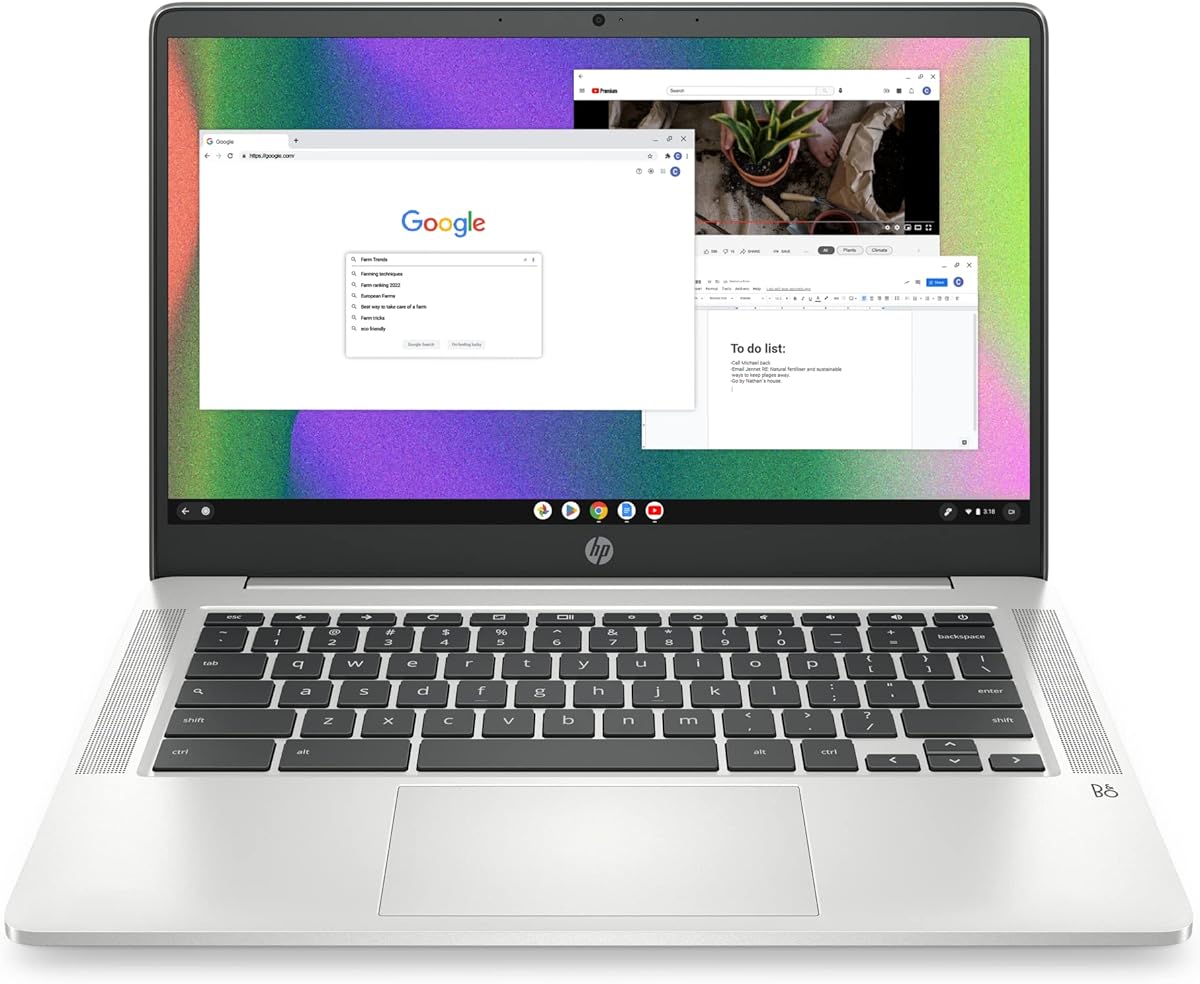
HP Chromebook 14
4.3Editor score
Intel Celeron N4120
4GB RAM and 64GB storage
Anti-glare HD display
Choosing the right laptop for junior high students is crucial for their academic success and daily productivity. A good device should balance performance, portability, and durability while fitting within a family budget. Students need reliable tools for research, writing, and collaborative projects.
We compared ten top-rated laptops using real-world usage scenarios common in middle school environments. Our evaluation focused on battery endurance, display quality, processing power, and software compatibility. Each model was assessed for its ability to handle multitasking during online classes and homework sessions.
Each pick shows specific strengths tailored to different student needs and budget constraints. You will find options ranging from budget Chromebooks to Windows laptops with Office suites. Please note that prices and availability change frequently so check current listings before purchasing.
4.3Editor score

4.4Editor score

4.3Editor score
As an Amazon Associate we earn from qualifying purchases.
This table provides a side-by-side comparison of all ten laptops evaluated in this guide to help you quickly identify key specifications and differences between models.



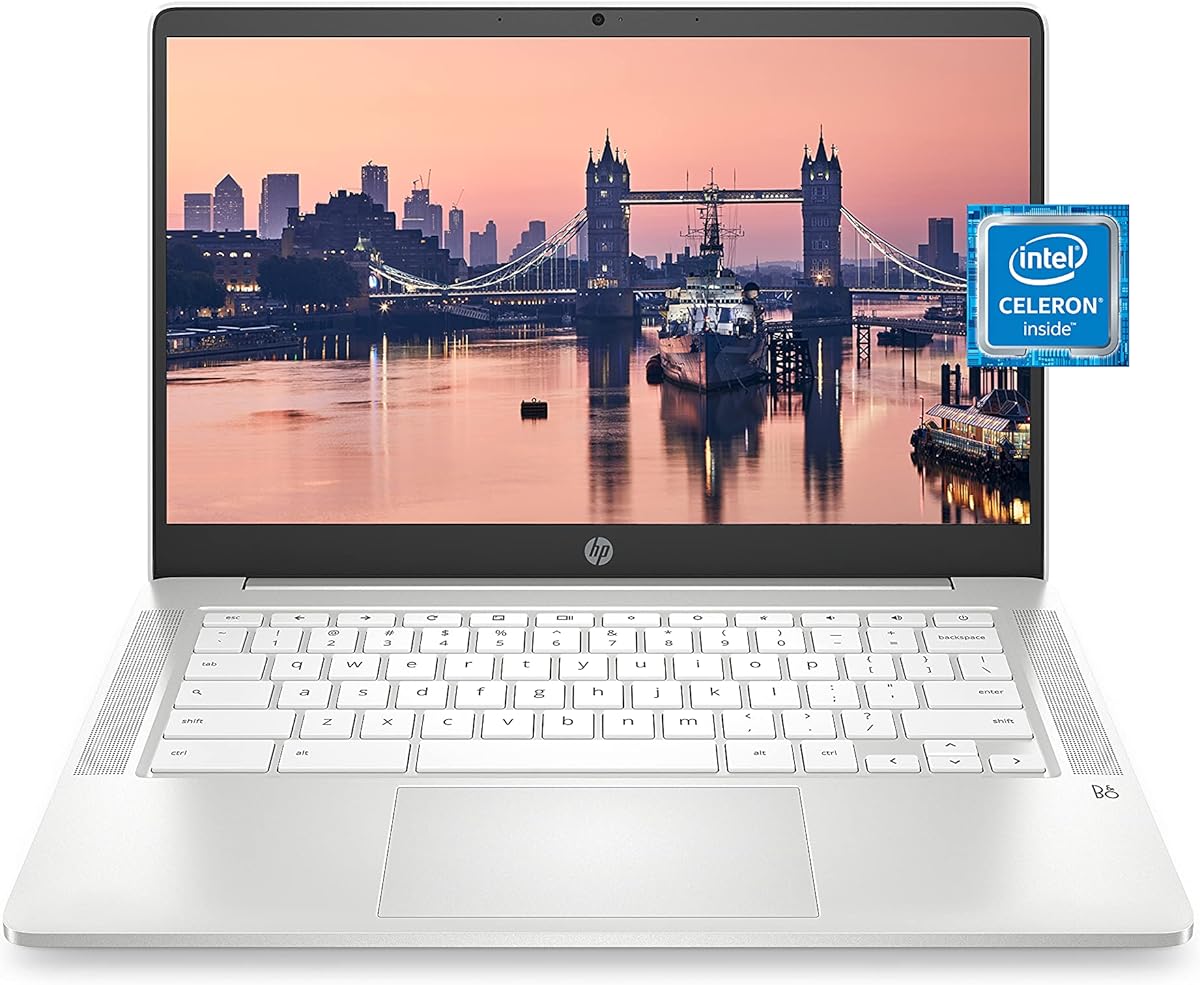

The HP 14 HD Chromebook stands out as the top choice for junior high students needing a reliable device for daily coursework. With a rating of 4.4 stars users praise its seamless performance for web browsing and Google Classroom assignments. This Chromebook balances cost and functionality effectively.
We may earn a commission when you buy through this link, at no additional cost to you.
Its Intel Celeron N4120 processor provides smooth multitasking across multiple browser tabs which is essential for research and online tests. The 4GB RAM ensures applications run without lag while the Chrome OS environment keeps the system secure and easy to maintain. Parents appreciate the long battery life that lasts through full school days without needing a charger.
While the 64GB eMMC storage is limited compared to SSDs cloud storage integration compensates well for student files. The HD display resolution is adequate for documents though less sharp than Full HD screens. These trade-offs are acceptable given the affordable price point and educational focus of this device.
This laptop is ideal for students who primarily work online and need a hassle-free computing experience. Families seeking a budget-friendly tool for writing papers and attending virtual classes will find it meets their needs efficiently.
Chrome OS supports thousands of Android apps and web tools making it versatile for diverse learning platforms used in schools.
The micro-edge design and anti-glare coating reduce eye strain during long study sessions while the chassis resists daily wear.
We may earn a commission when you buy through this link, at no additional cost to you.
This HP Stream laptop delivers solid value by bundling Microsoft Office 365 with a Windows 11 system suitable for student work. Users highlight the convenience of having Word and Excel pre-installed for assignments requiring desktop software. The device performs well for general productivity tasks.
We may earn a commission when you buy through this link, at no additional cost to you.
The Intel Processor N150 ensures dependable performance for running multiple applications without slowdowns. Its 1.12TB total storage including docking station provides room for projects and media files. The included Copilot features help streamline writing and research processes for teens.
The Lavender Purple finish appeals to younger users but the weight may feel heavy in backpacks compared to lighter models. The docking station adds bulk if moved frequently so students might prefer more compact options. Still the software bundle justifies the cost for many families.
Choose this model if your child needs native Office applications rather than web-based alternatives. It suits students who prioritize document creation and have stable internet access for cloud syncing.
Full desktop versions of Office apps allow offline editing and advanced formatting features not always available in web versions.
Multiple USB ports and HDMI output enable easy connection to projectors and external displays for school presentations.
We may earn a commission when you buy through this link, at no additional cost to you.
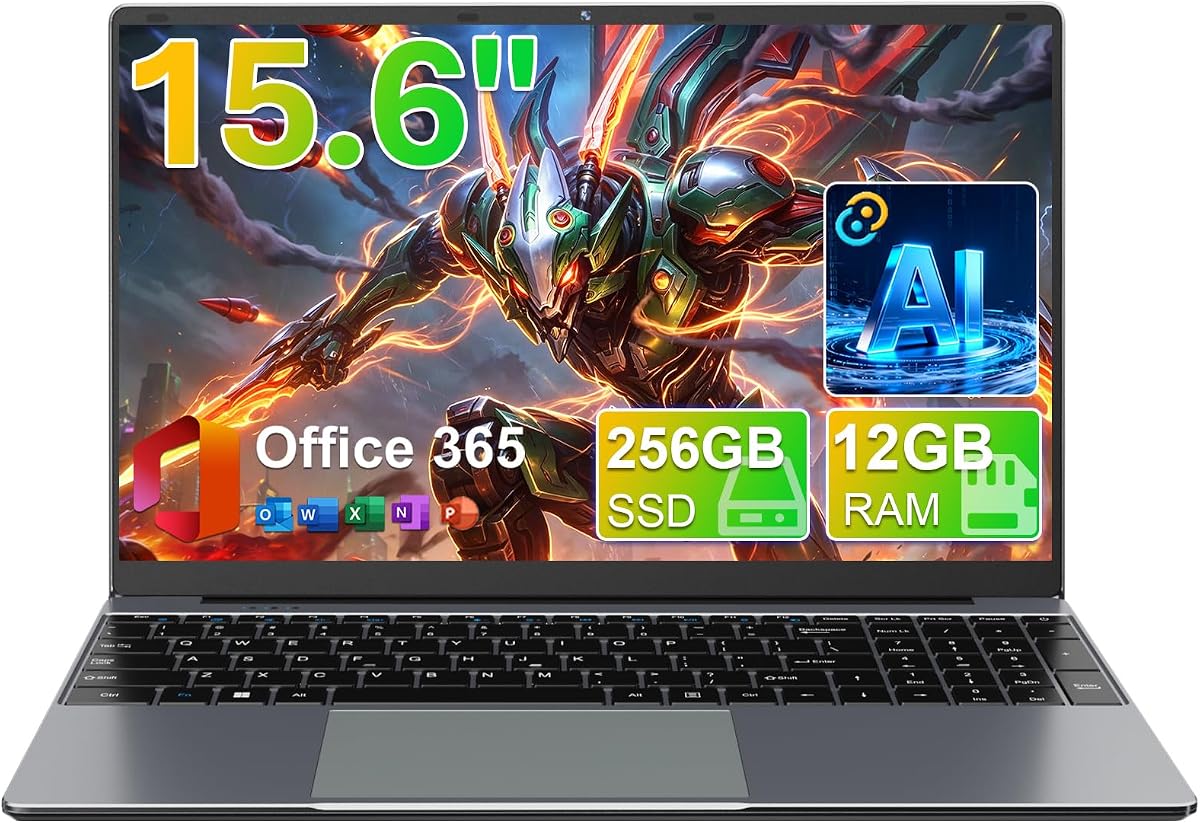
This 15.6 inch student laptop offers a spacious display ideal for multitasking and detailed visual work. Its 4.6 rating reflects satisfaction with the screen quality and generous RAM allocation. The device supports demanding tasks better than typical budget laptops.
We may earn a commission when you buy through this link, at no additional cost to you.
The 12GB RAM allows running heavy applications like photo editors or coding tools alongside browser tabs. The FHD IPS panel delivers vibrant colors and wide viewing angles beneficial for group work. Office 365 preinstallation ensures readiness for school documents immediately.
The older Celeron processor may lag with very intensive workloads but handles everyday tasks smoothly. The larger size reduces portability compared to 14 inch models so consider storage space in bags. This trade-off is worth it for students needing screen real estate.
Select this laptop if your child needs more screen space for research or creative projects. It is a strong fit for those who keep the device on a desk most of the time.
A 15.6 inch display allows split-screen viewing of notes and textbooks simultaneously improving study efficiency.
With 12GB of RAM this machine has room for growth as software requirements increase over the school year.
We may earn a commission when you buy through this link, at no additional cost to you.
Lenovo's flagship Chromebook combines a vivid touchscreen with efficient performance for interactive learning. The 4.2 rating indicates strong approval for its display and responsiveness. It offers a premium feel at an accessible price point.
We may earn a commission when you buy through this link, at no additional cost to you.
The MediaTek Kompanio 520 processor supports smooth navigation and media playback. The FHD touchscreen enables natural interactions for drawing apps or educational software. Its slim profile makes it easy to carry between classes.
The 64GB storage requires reliance on cloud services which might limit offline work. Touch features consume more power so unplanned usage could reduce battery life slightly. These limitations are manageable with good internet connectivity.
This Chromebook is perfect for students who benefit from touch input for art or note-taking. It balances portability and functionality well for daily school use.
Touchscreen capability unlocks unique educational apps that require drawing or direct manipulation of objects.
The lightweight build reduces shoulder strain when carrying the device in a backpack all day.
We may earn a commission when you buy through this link, at no additional cost to you.
This Lenovo Chromebook emphasizes endurance with an impressive battery life that lasts through long school days. Users appreciate the 128GB storage expansion which provides more local space than typical budget devices. The touchscreen adds versatility for navigation.
We may earn a commission when you buy through this link, at no additional cost to you.
The MediaTek processor ensures reliable performance for web apps and media. Having updates guaranteed until 2032 means the device will remain secure longer than average. The design prioritizes all-day use without needing outlets.
The soldered RAM limits future hardware upgrades but sufficient for current educational needs. The SD card expansion is convenient though dependent on card durability. These trade-offs are standard for this class of device.
Ideal for students who travel or lack access to charging during the day. The long battery life ensures they stay productive from morning to night.
Extended auto-update support protects against security threats for many years reducing replacement frequency.
The included SD card allows quick expansion without requiring internal hardware modifications.
We may earn a commission when you buy through this link, at no additional cost to you.
This HP laptop integrates deeply with cloud services to keep student files accessible anywhere. The inclusion of Microsoft 365 and OneDrive simplifies collaboration and backup processes. It performs well for basic web tasks and document editing.
We may earn a commission when you buy through this link, at no additional cost to you.
The Intel N4102 processor provides steady performance for typical student workflows. Wi-Fi 6 ensures faster connections in crowded school networks. The dedicated Copilot key offers quick access to AI assistance for writing tasks.
Windows 11 S Mode restricts installations to secure apps which can be limiting for advanced software. The HD screen is functional but less sharp than Full HD options. These constraints are suitable for a controlled learning environment.
Choose this for students who rely heavily on OneDrive and web-based tools. It is a secure and streamlined option for younger users.
With 1TB of cloud space students can backup assignments automatically without worrying about local drive failures.
Wi-Fi 6 technology supports multiple devices on a network without slowing down internet speeds.
We may earn a commission when you buy through this link, at no additional cost to you.
This Chromebook delivers essential computing power at a budget-friendly price. Users value its reliability for everyday tasks and long battery life. It is a practical choice for families seeking value without sacrificing performance.
We may earn a commission when you buy through this link, at no additional cost to you.
The N4120 processor handles web browsing and apps efficiently. Fast charging ensures quick power top-ups between classes. The anti-glare display reduces strain during prolonged use in bright classrooms.
The 64GB storage requires careful management but cloud storage solves this for most files. The HD resolution is acceptable though not optimal for media consumption. These factors align well with a student-focused budget.
Select this model if cost is a primary concern and internet access is reliable. It offers a no-frills experience that gets the job done effectively.
Fast Charge technology restores 50% battery in 45 minutes ensuring quick recovery between periods.
ENERGY STAR certification ensures energy efficiency which lowers electricity costs over time.
We may earn a commission when you buy through this link, at no additional cost to you.
Dell's offering brings premium build quality and performance to student laptops. The Core 3 processor delivers smooth multitasking for demanding applications. It suits students preparing for high school or advanced coursework.
We may earn a commission when you buy through this link, at no additional cost to you.
The ergonomic hinges lift the keyboard for comfortable typing. ComfortView technology protects eyes during late-night study sessions. The Full HD screen ensures crisp visuals for media and documents.
The price is higher but justifies the onboard service warranty and performance. Lack of included Office software means additional costs unless already subscribed. This investment pays off for longevity and reliability.
Choose this if you need a durable machine that can grow with the student. It is ideal for those who value performance and long-term support.
Lifted hinges angle the keyboard naturally to reduce wrist fatigue during long typing sessions.
Dell technicians visit home or school to fix hardware issues minimizing downtime.
We may earn a commission when you buy through this link, at no additional cost to you.
This Chromebook provides a basic computing experience suitable for light use. Its lightweight build makes it easy to transport between home and school. The 4.4 rating reflects trust in HP's reliable budget line.
We may earn a commission when you buy through this link, at no additional cost to you.
The N4000 processor handles web browsing and email effectively. Dual mics ensure clear audio during video conferences. The compact design fits easily into small backpacks.
Storage space is quite limited requiring strict reliance on cloud storage. Performance is adequate for reading and writing but slower for media editing. It remains a solid choice for minimal needs.
Select this if your child needs a secondary device or very basic access. It is an affordable entry point for Chromebook users.
Dual array microphones isolate speech from background noise during virtual classes.
Energy Star certification helps minimize electricity bills over the device lifespan.
We may earn a commission when you buy through this link, at no additional cost to you.
This 2026 model balances modern features with practical functionality for students. The inclusion of Office 365 simplifies document creation. Its connectivity options support various peripherals needed for school.
We may earn a commission when you buy through this link, at no additional cost to you.
The Intel N150 processor delivers responsive performance for typical workflows. The Copilot key offers quick access to AI writing assistance. The battery supports a full day of mixed usage easily.
The HD resolution limits clarity compared to FHD but is fine for text work. 4GB RAM is sufficient for most tasks but may slow with many apps. These trade-offs fit the target budget well.
Choose this for students needing Office apps and modern connectivity. It provides a balanced experience for daily academic needs.
USB-C with DisplayPort allows easy connection to external monitors for larger workspace.
Integrated Copilot helps with summarizing texts and formatting documents efficiently.
We may earn a commission when you buy through this link, at no additional cost to you.
Selecting a laptop requires balancing hardware specs with software needs and budget constraints to ensure the device supports academic goals.
The operating system determines which apps and tools your child can use for school projects. Chrome OS is simple and secure for web-based learning while Windows offers broader software compatibility for advanced tasks.
Choose Chrome OS for simplicity and security or Windows for flexibility with desktop applications.
A capable processor ensures smooth multitasking between browser tabs and document editors. Look for Intel N-series or comparable processors that handle everyday computing without lag.
Prioritize at least a quad-core processor to maintain performance during peak usage times.
RAM affects how many apps run simultaneously without slowing down the device. Storage capacity determines how many files can be saved locally before needing cloud solutions.
Aim for 4GB of RAM as a minimum and 64GB storage to manage files efficiently.
The screen resolution and size impact reading comfort and multitasking ability. Full HD screens reduce eye strain compared to lower resolution models.
Select a 14 inch screen for portability or 15 inch for better visibility if weight is less concern.
Long battery life ensures the laptop lasts through a full school day without needing a charger. This is critical for students who move between classes without easy access to power.
Target devices offering at least 10 hours of real-world usage to avoid interruptions.
A sturdy chassis protects the device from accidental drops or rough handling in backpacks. Look for reinforced hinges and spill-resistant keyboards.
Choose models with positive reviews for longevity to withstand daily wear and tear.
Sufficient USB and HDMI ports allow connecting to projectors and peripherals without adapters. This simplifies setup for presentations and external devices.
Ensure at least one USB-C and two USB-A ports are available for versatility.
Included software like Office 365 saves money and ensures access to necessary tools for assignments. Verify if subscriptions are included or require separate purchase.
Opt for bundles that include Office 365 to reduce initial setup costs.
Always keep the laptop on a flat surface to prevent overheating and ensure proper ventilation. Use a cooling pad if the device gets hot during intensive use like video streaming or games.
Protect the screen from scratches by closing the lid carefully and using a sleeve when transporting. Avoid placing heavy objects on top of the laptop to prevent pressure damage.
Regularly update software and run security scans to keep the system running smoothly and safely. Backup important documents to cloud storage to prevent data loss in case of hardware issues.
Most students benefit more from reliability and battery life than top-tier power. A mid-range device handles research writing and video calls efficiently. Only high-end models are needed for specialized tasks like video editing.
Chrome OS supports Google Classroom and most web-based tools schools use today. It is secure and easy to manage for parents. Most assignments can be completed without Windows-specific software.
4GB of RAM is sufficient for web browsing and document editing. 8GB is better for multitasking with many tabs open. Avoid models with less than 4GB for better longevity.
14 inch models offer the best balance of screen real estate and portability. They fit easily in most standard backpacks. 15 inch screens are heavier but provide more workspace.
Extended warranty may save money if accidental damage is common in your household. Check existing protection through credit cards first. It offers peace of mind for expensive repairs.
Most budget laptops have soldered components so storage cannot be upgraded. Cloud storage is the best alternative for expanding capacity. Check specs before purchasing if upgrades are important.
We identified ten excellent options ranging from budget Chromebooks to premium Windows machines to fit various academic needs. Each model offers distinct strengths in battery life performance or software integration.
Prioritize battery endurance and software compatibility to ensure the device supports long study sessions. A reliable machine reduces frustration and keeps focus on learning goals.
Prices fluctuate frequently so verify current deals before finalizing your purchase. Checking recent reviews also helps confirm ongoing satisfaction with performance and build quality.