
Gigabit Dual NIC with Intel 82576 Chip
4.5Editor score
Original Intel 82576 controller
Low Profile and Full brackets
Supports Windows and Linux OS
This guide compares the top dual RJ45 port network cards for servers and workstations to help you find the best networking solution for your needs.
Choosing the right network interface card is essential for building a robust and reliable server or workstation environment. A dual RJ45 port network card provides redundancy and increased bandwidth, allowing you to balance traffic or maintain connectivity if one link fails.
We evaluated ten highly rated models based on controller performance, operating system compatibility, and physical design. Our comparison focuses on cards that offer genuine value for enterprise and home lab setups without compromising on stability or speed.
Each pick highlights key specifications and real-world use cases to help you decide which adapter fits your specific infrastructure. Please note that product availability and pricing can change rapidly, so verify details before making your final purchase decision.
4.5Editor score

4.1Editor score

4.6Editor score
The following table provides a side-by-side comparison of all ten selected network cards to highlight their unique specifications and capabilities.


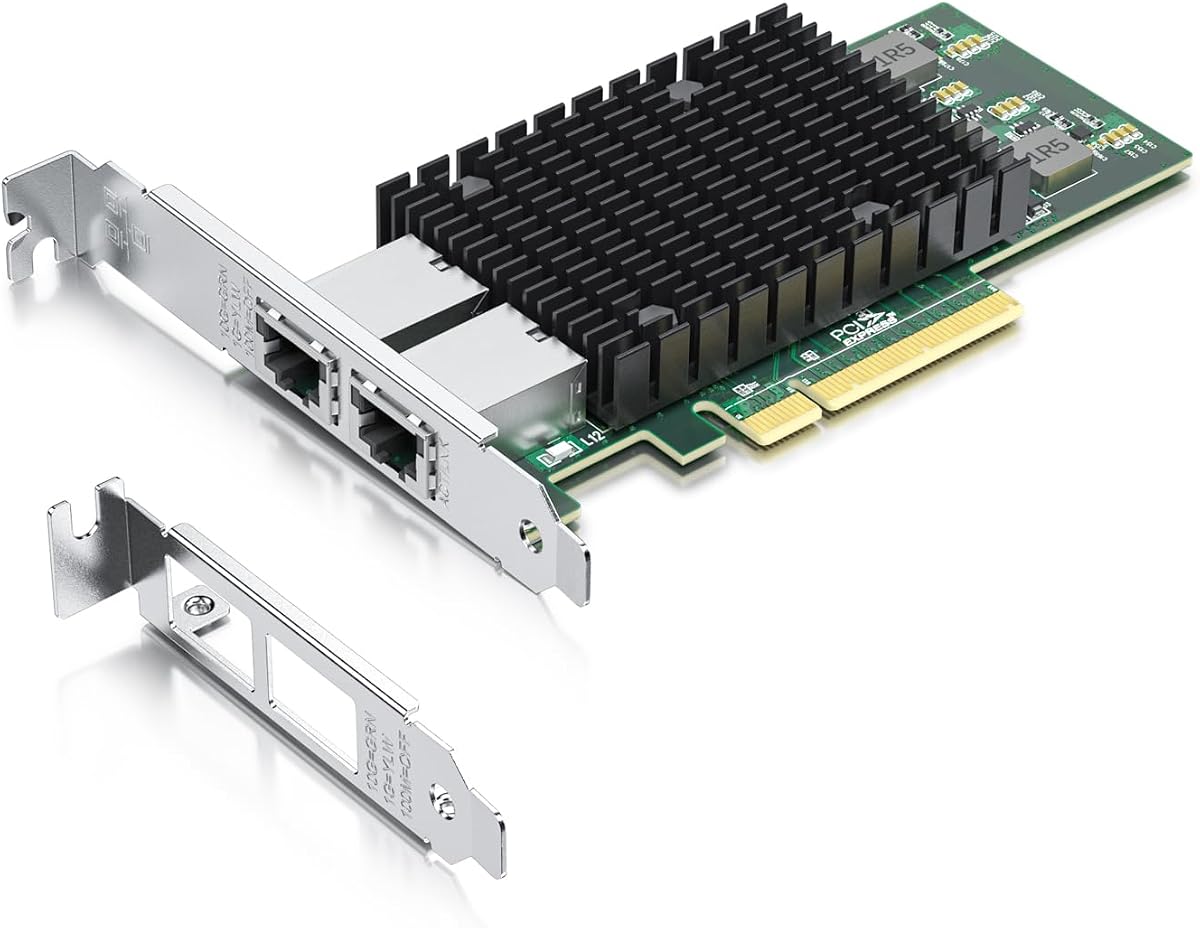

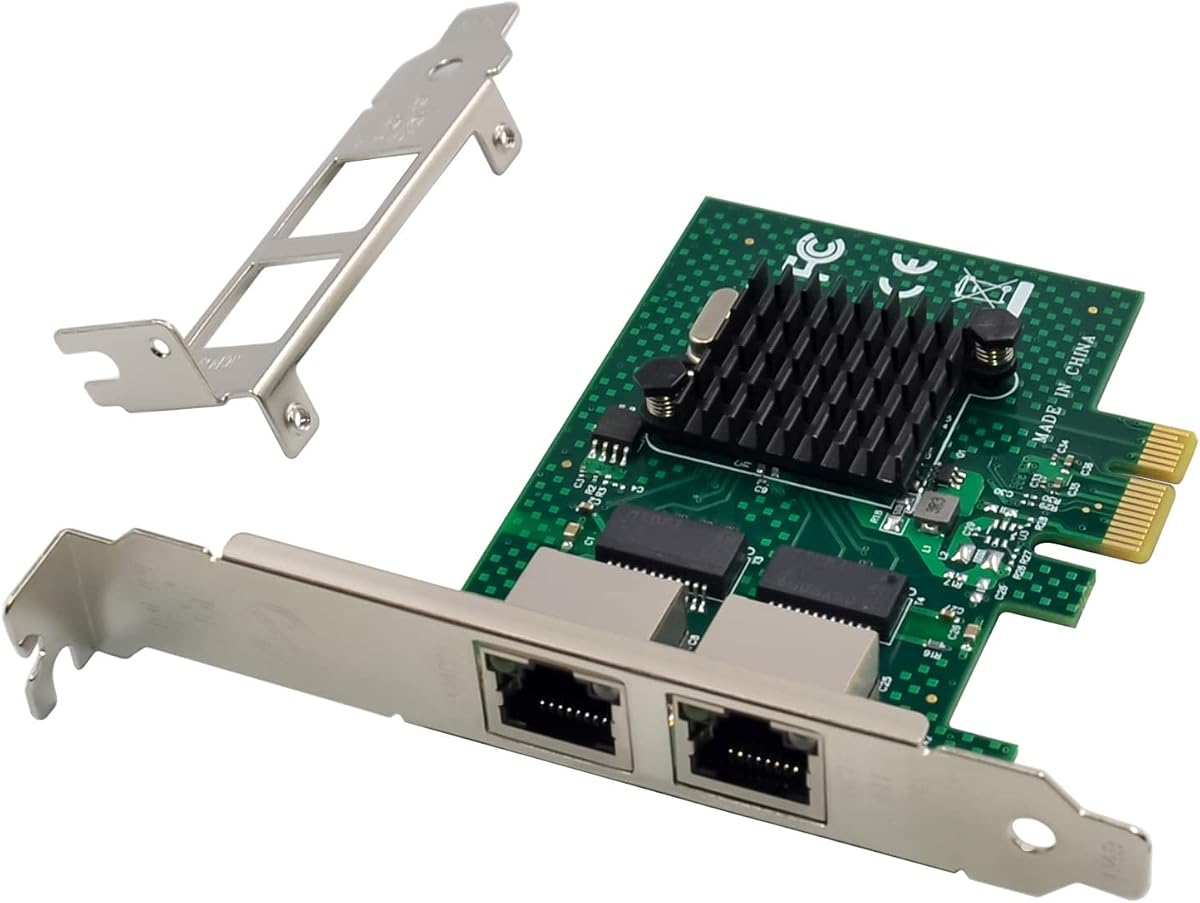
The 10Gtek 10Gb Dual RJ45 Port Network Card stands out as a top choice for server administrators needing high-speed connectivity. It features an original Intel X540 controller chip that ensures stable performance through intelligent offloads and supports multiple operating systems including Windows and Linux.
We may earn a commission when you buy through this link, at no additional cost to you.
This adapter provides two copper RJ45 ports capable of connecting to Category-6A cabling for speeds up to 10 Gbps. The card works well with various PCIe slots from X8 to X16 and comes with both standard and low profile brackets to fit different server chassis sizes.
While it offers robust performance, users should note that Windows 11 compatibility requires manual setup steps before installation. Additionally, the card does not support hot swapping so you will need to power down your system to install it.
This card is ideal for data centers or home labs needing reliable 10G Ethernet without the cost of enterprise hardware. With its strong warranty and lifetime technology support it represents a solid value for serious networking tasks.
The inclusion of the original Intel X540 controller ensures the card handles network traffic efficiently while maintaining system stability under heavy loads.
Comes with both full height and low profile brackets allowing it to fit into standard server racks or compact desktop cases with ease.
We may earn a commission when you buy through this link, at no additional cost to you.
The 2.5GBase-T Dual Port Server Network Card offers an excellent balance of speed and cost for users who do not need full 10 Gigabit throughput. It uses the new Intel I226-V controller which replaces the older I225-V with improved error rates and lower power consumption.
We may earn a commission when you buy through this link, at no additional cost to you.
This adapter supports 2500BASE-T connections allowing for speeds up to 2.5 Gbps on compatible cabling. It is widely compatible with modern operating systems like Windows 10 and 11 as well as various Linux distributions and VMware environments.
Buyers must ensure their motherboard supports the I226-V chip and that the BIOS settings allow the NIC interface to be enabled. This card is not suitable for very old systems that lack PCIe 3.1 support or specific BIOS features.
If you are upgrading a home server or workstation and want faster than Gigabit speeds without major cabling changes this card is a smart choice. Its efficient design and strong stability make it a reliable pick for everyday networking needs.
The I226-V controller offers improved accuracy and stability over longer cable lengths ensuring your network remains reliable during peak usage times.
Active power consumption is reduced compared to previous generations making this card more energy efficient for always-on server environments.
We may earn a commission when you buy through this link, at no additional cost to you.
The VIMIN 10G PCI-E Network Card provides reliable 10 Gbps performance for high-end devices and servers requiring fast data transmission. It utilizes the Intel X540-T2 chipset controller which is known for delivering stable network connections across various operating systems.
We may earn a commission when you buy through this link, at no additional cost to you.
This card features two RJ45 copper ports and is compatible with both PCIe X8 and X16 slots allowing flexible deployment options. It comes with both standard and slim brackets to accommodate different server heights and includes a heat sink to maintain optimal temperatures.
Users should be aware that this card does not support 2.5G or 5G speeds so if your network device is set to those modes it will fallback to 1Gbps. This limitation is important to consider when integrating it into mixed speed networks.
For users needing genuine 10G performance at a competitive price this card offers strong value. Its heat dissipation features and gold finger interface help ensure long term reliability in demanding environments.
A dedicated heat sink is included to keep the card cool during heavy usage which helps prevent thermal throttling and maintains consistent performance.
Compatible with both X8 and X16 PCIe slots this card can be used in a wider range of motherboards compared to more restrictive adapters.
We may earn a commission when you buy through this link, at no additional cost to you.
This Dual-Port PCIe Gigabit Network Card is an excellent choice for users who need reliable 1 Gbps connectivity across multiple operating systems. It uses Intel 82575 or 82576 chips which are well known for their stability and compatibility with legacy and modern servers.
We may earn a commission when you buy through this link, at no additional cost to you.
The adapter supports PXE remote boot and VLAN filtering making it useful for network installations and management tasks. It comes with an imported alloy heat sink that effectively removes excess heat to keep the card running at a normal operating temperature.
One limitation to note is that it does not support VMware ESXi version 7.0 or above which may be a drawback for users running the latest virtualization platforms. However for older systems or physical servers it performs very well.
If you are building a cost effective server setup or upgrading an older workstation this card offers solid performance. Its broad OS support and heat management features make it a durable choice for daily use.
Supports a wide range of systems including Windows, Linux, FreeBSD, and even older versions like DOS and SCO Open Server for versatile deployment.
The imported alloy heat sink helps maintain stable operation by keeping the card cool during extended periods of heavy network traffic.
We may earn a commission when you buy through this link, at no additional cost to you.
The 10Gtek Gigabit Ethernet PCIe RJ45 Network Adapter is designed for users seeking a straightforward and stable networking solution for their servers. It is equipped with the original Intel 82576 controller chip which supports intelligent offloads to keep servers running smoothly.
We may earn a commission when you buy through this link, at no additional cost to you.
This card offers dual copper RJ45 ports that can connect to Category-5 cabling for distances up to 100 meters. It is compatible with many Windows Server versions and Linux systems making it easy to integrate into existing infrastructure.
Similar to other cards in this class it does not support VMware ESXi version 7.0 or above so users of newer virtualization software should look elsewhere. For physical servers however it provides excellent value and performance.
With a three year warranty and lifetime technology support this adapter is a safe bet for small businesses or home labs. Its simple design and compatibility with standard cables make it a practical choice for most users.
The Intel 82576 controller supports intelligent offloads which reduce the CPU load and improve overall server stability during network intensive tasks.
Works with Category-5 cables up to 100 meters allowing you to use existing network wiring without needing immediate upgrades to Cat6 or higher.
We may earn a commission when you buy through this link, at no additional cost to you.
The Gigabit Dual NIC with Intel 82576 Chip offers a budget friendly solution for users who need reliable 1 Gbps connectivity without sacrificing stability. It uses an original Intel 82576 controller that supports Quality of Service technology to streamline online experiences.
We may earn a commission when you buy through this link, at no additional cost to you.
This card supports a wide range of operating systems including Windows 7 through 11 various Linux distributions and older VMware ESXi versions. It comes with both low profile and full height brackets allowing it to fit into standard or slim computer servers easily.
One limitation is that it does not support Mac OS or VMware ESXi 7.0 so users on those platforms should consider other options. However for most Windows and Linux environments it delivers consistent performance.
For users on a tight budget this card provides excellent value with its strong support network and warranty terms. It is a great choice for home labs or small offices needing redundant gigabit connections.
The built-in QoS technology helps prioritize network traffic ensuring that critical data gets through smoothly even during high congestion periods.
Includes both full height and low profile brackets so you can install this card in standard tower cases or compact slim server chassis.
We may earn a commission when you buy through this link, at no additional cost to you.
The 10G Dual RJ45 Port PCI-E Network Card is a premium option for users needing ultra fast 10 Gigabit speeds for their servers. It is equipped with the X540 controller chip which boosts Ethernet speeds up to 10Gb/s while preventing packet loss and ensuring stability.
We may earn a commission when you buy through this link, at no additional cost to you.
This adapter features two independent Ethernet ports and supports PCIe X8 and X16 slots for flexible deployment. It is compatible with a wide range of operating systems including Windows Server, Linux, and VMware ESX making it ideal for diverse data center environments.
The card comes with both standard and low profile brackets and includes a QR code for easy driver installation. However note that it is designed for PCIe ports only and not older PCI slots which limits compatibility with very old hardware.
For high performance tasks like video editing or large database transfers this card delivers the speed and reliability you need. Its strong support and compatibility make it a top choice for serious users.
Equipped with the X540 controller this card provides reliable 10Gb/s connections that are essential for modern high bandwidth applications and data centers.
Includes a QR code for quick driver access and both bracket types so you can install it quickly in various server or desktop configurations.
We may earn a commission when you buy through this link, at no additional cost to you.
The H!Fiber 10Gb PCI-E Network Card NIC delivers reliable 10 Gigabit performance using the original Intel X540-BT2 controller. This chip supports Quality of Service technology to ensure stable connections and streamlined network traffic management across various platforms.
We may earn a commission when you buy through this link, at no additional cost to you.
It features dual RJ45 copper ports that support data rates up to 10 Gbps and are compatible with Cat6a cabling. The card is widely compatible with Windows Server, Linux, and VMware ESX making it versatile for both enterprise and home setups.
Users should note that while it can work on Windows 11 proper driver setup is required first. Additionally it does not support intermediate speeds like 2.5G or 5G so your network must be set for 10G to fully utilize the card.
This adapter is a strong choice for users needing fast Ethernet without compromising on stability. Its inclusion of both bracket types and lifetime support ensures it is easy to install and maintain over time.
The Intel X540-BT2 controller includes QoS technology which helps streamline online experiences and ensure data transmission remains stable under load.
Supports Cat6a cabling allowing you to simplify the transition to 10GbE while maintaining compatibility with your current network infrastructure.
We may earn a commission when you buy through this link, at no additional cost to you.
The Dual-Port PCIe X4 Gigabit Network Card stands out for its support of advanced virtualization features like SR-IOV which allows multiple virtual machines to share the physical NIC directly. This card uses the Intel 82576 chipset which is known for stability.
We may earn a commission when you buy through this link, at no additional cost to you.
It connects via a PCIe 2.0 X4 lane which offers better bandwidth than standard X1 cards and supports IPMI pass-through for remote management tasks. The card is compatible with a wide range of operating systems from Windows to various Unix variants.
Like similar models it does not support VMware ESXi 7.0 or above which may limit its use in modern virtualized environments. However for physical servers or older VM setups it provides strong performance and features.
This card is ideal for advanced users who need SR-IOV capabilities without moving to a more expensive 10G solution. Its heat management and broad compatibility make it a robust choice for demanding setups.
Supports Single Root I/O Virtualization which allows direct hardware access for virtual machines reducing latency and improving overall VM performance.
Uses a PCIe X4 lane instead of X1 providing more bandwidth and better performance stability during heavy network operations.
We may earn a commission when you buy through this link, at no additional cost to you.
The Dual-Port PCIe Gigabit Ethernet Server Adapter is built for robust enterprise environments needing reliable connectivity for cloud or database servers. It uses the NetXtreme BCM5720-2P chipset which is compatible with PCIe v1.X and v2.X interfaces.
We may earn a commission when you buy through this link, at no additional cost to you.
This card supports a wide range of applications including cloud data centers and high-performance computing clusters. It is widely compatible with various Linux and Windows server versions making it easy to deploy in mixed infrastructure environments.
It comes with a low profile bracket and is supported by a 180 day worry-free warranty. While it is limited to gigabit speeds the X1 lane interface may be a bottleneck for highly demanding multi-threaded virtual tasks.
If you need a reliable and versatile adapter for general server work this card offers strong compatibility and support. Its design for enterprise scenarios ensures it can handle the demands of modern IT workloads.
Designed for cloud and data center servers this adapter supports advanced workloads like machine learning clusters and database hosting effectively.
Works with Ubuntu, Windows Server, VMware ESX, and many other enterprise operating systems ensuring flexibility across different deployment scenarios.
We may earn a commission when you buy through this link, at no additional cost to you.
Selecting the right network card requires understanding your system requirements and infrastructure capabilities.
The controller chipset determines the card's performance and compatibility. Look for original Intel chips like X540 for 10G or 82576 for gigabit to ensure stability. Generic controllers may lack driver support for modern operating systems.
Always verify the chipset matches your speed needs and OS drivers before buying.
Not all cards support every version of Windows or Linux. Some exclude recent VMware ESXi versions so check the manufacturer's list carefully. If you run Windows 11 or specific Linux kernels verify driver availability beforehand.
Ensure your card supports your current and future OS versions to avoid re-purchasing hardware.
Dual port cards often need X8 or X16 lanes to handle 10G speeds effectively. A X1 lane card may work but could bottleneck performance under heavy loads. Check your motherboard to see which slots are available.
Match the card's lane requirement to your motherboard's available slots for best performance.
Copper RJ45 cards rely on cable quality for maximum speed. Cat5e works for 1Gbps but Cat6a is needed for 10Gbps at 100m. Ensure your cabling supports the card's rated speed to avoid fallback to slower rates.
Upgrade your network cabling if needed to match the card's speed capabilities.
Server chassis vary in size so having both full height and low profile brackets is helpful. Slim cases need low profile brackets while standard racks need full height. Confirm what is included in the box before purchase.
Check that the included brackets fit your specific case or server rack requirements.
Features like SR-IOV and PXE boot are critical for virtualization setups. If you run VMware or Proxmox verify these features are supported. Older cards may lack support for newer virtualization layers.
Verify virtualization features match your server or home lab environment needs.
Reliable support can save time when issues arise. Look for terms like lifetime tech support or multi year warranties. Some brands offer no-return refunds which adds peace of mind for uncertain compatibility.
Prioritize cards with strong warranty terms to ensure long term reliability.
Decide whether you need 1Gbps or 10Gbps speeds to avoid overspending. 10G cards are more expensive but necessary for data transfers or media streaming. Gigabit cards are cheaper and sufficient for most general tasks.
Choose a card that matches your bandwidth needs without overspending on unused features.
First ensure your system is powered off before installing the card into the PCIe slot. Secure the bracket screws to keep the card stable during movement and prevent connection issues from vibration.
Second install the latest drivers from the manufacturer or Intel website to ensure optimal performance. Verify that your BIOS allows the NIC interface to be enabled to avoid detection problems after installation.
Third test both ports individually to confirm they are working as expected before relying on them for production traffic. Keep the card clean and free of dust to maintain proper airflow and cooling.
Yes many dual port cards support link aggregation or teaming to combine bandwidth. You will need to configure this in your OS or switch settings. Check your card's documentation to confirm supported modes and required drivers.
The difference lies in the number of lanes available for data transfer. X8 cards use eight lanes while X16 cards use sixteen. Both fit in X16 slots but X16 cards offer higher bandwidth for heavy data traffic.
You can use a 10G card with Cat5e but speeds will be limited to 1 Gbps. For full 10 Gbps you need at least Cat6a cables for reliable performance. Using lower grade cables may cause connection instability.
This may be due to disabled BIOS settings or missing drivers. Ensure the NIC interface is enabled in your BIOS and that you have installed the correct drivers. Some cards need specific chipsets to be enabled first.
Most consumer cards including these models do not support hot swapping. You must power down your system before inserting or removing the card. Check your motherboard manual to confirm hot swap support if needed.
Support varies by card but most cover Windows Server, Linux, and VMware ESX. Some exclude very old or very new versions like ESXi 7 so check before buying. Always verify drivers exist for your specific OS version.
We have reviewed ten excellent options ranging from affordable gigabit cards to high speed 10G adapters. The 10Gtek X540 card leads as the best overall while the Gigabit Dual NIC is a smart budget pick.
When choosing prioritize the controller chipset and OS compatibility to ensure long term stability. Matching the card's speed to your cabling and motherboard capabilities is also essential for reliable performance.
Prices and availability can change so verify the latest details before making your purchase. Investing in the right network card ensures your system is ready for current and future networking demands.