
Verifone VX520
3.5Editor score
EMV compliant contactless
Ethernet and dial support
Proven retail reliability
This comprehensive guide compares the top 10 card readers for vending machines, evaluating connectivity, payment types, and security features for operators.
Modern vending operators need reliable cashless payment solutions to meet customer expectations. A quality reader accepts chips, NFC, and swipes while connecting securely to networks.
We evaluated ten top options based on connectivity, payment support, durability, and integration capabilities. Each unit offers unique strengths for different vending environments and operational needs.
Each pick highlights key features, pros, and cons to help you choose wisely. Note that availability and pricing may change over time, so verify details before purchasing.
3.5Editor score
3.8Editor score

4.0Editor score
Below is a side-by-side comparison of all ten models, highlighting their core specifications, connectivity options, and primary use cases to help you find the right fit.


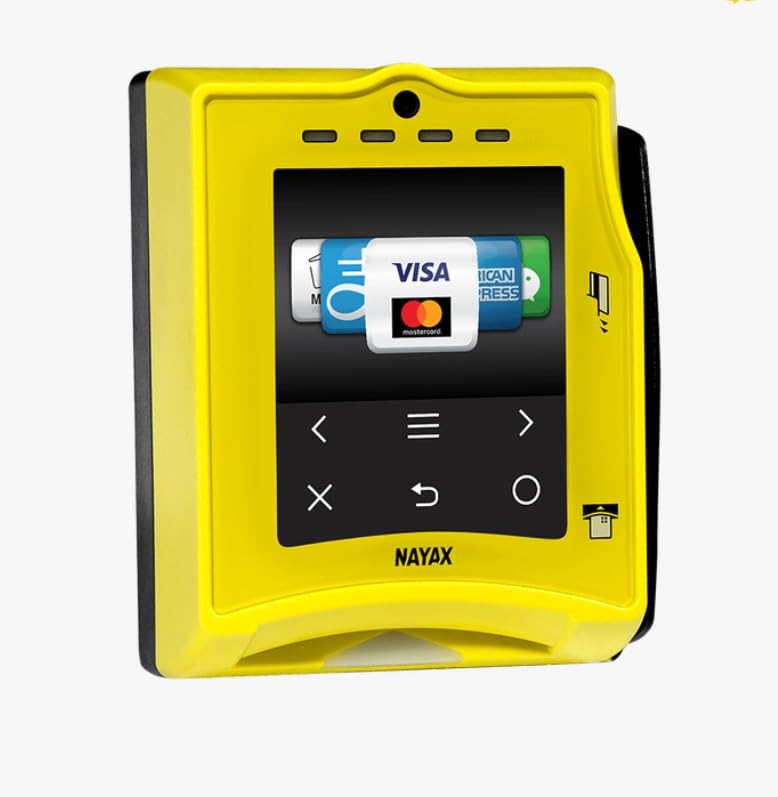
The VPOS Touch stands out as a complete cashless solution for modern vending operators. It holds a solid rating and integrates EMV, NFC, and magnetic stripe acceptance into one compact unit. Its standout quality is the built-in 4G LTE antenna, which eliminates the need for separate Wi-Fi or ethernet setups.
We may earn a commission when you buy through this link, at no additional cost to you.
This device connects instantly via cellular, allowing operators to monitor sales and inventory remotely through the Nayax management suite. The high-gain antenna ensures reliable signal even in remote locations. Customers can pay with Apple Pay, Google Pay, or traditional cards, making transactions smooth and fast.
While the system is robust, it requires activation through Nayax, which can take time. Operators must rely on their management platform for real-time alerts. However, these trade-offs are acceptable given the comprehensive security and connectivity benefits offered by the unit.
Buyers seeking a plug-and-play cashless upgrade should prioritize this model. It suits diverse machines including car washes and amusement games. For operators wanting seamless integration and remote oversight, this reader delivers dependable performance.
The included 4G LTE antenna provides instant cellular connection without needing external routers or cables.
Operators can track inventory levels and sales data from anywhere using the dedicated management suite.
We may earn a commission when you buy through this link, at no additional cost to you.
This model expands on the classic VPOS design with a vivid 2.4-inch color LCD. It accepts credit cards, mobile wallets, and even QR codes like WeChat Pay. The interface supports multiple languages and voice prompts, making it accessible to a broader customer base.
We may earn a commission when you buy through this link, at no additional cost to you.
Durability is a major strength here, featuring Dragontrail glass and shock detection with an IP55 rating. It withstands harsh environments better than many competitors. Built-in marketing tools allow operators to offer loyalty programs, discounts, and punch cards directly through the interface.
Though no customer rating is listed yet, the hardware specs suggest high reliability. The need for merchant setup and account verification may delay deployment slightly. Still, the added functionality justifies the wait for many professional operators.
Operators running arcade or high-traffic machines will appreciate the touchscreen and durability. Its customizable features help drive repeat sales. For those wanting advanced customer engagement, this reader is an excellent choice.
Loyalty programs and punch cards can be managed directly on the device to encourage repeat visits.
Dragontrail glass and IP55 protection ensure the unit survives impacts and dust in demanding locations.
We may earn a commission when you buy through this link, at no additional cost to you.
This generic unit offers a straightforward path to cashless payments for budget-conscious operators. It comes with a yellow instruction sheet guiding users through activation. While activation may take up to ten business days, the device becomes fully functional afterward.
We may earn a commission when you buy through this link, at no additional cost to you.
The product description is minimal, but it implies standard card acceptance typical of this category. Operators should expect to connect it via standard protocols like MDB or pulse. Its simplicity makes it suitable for basic machines needing a quick upgrade.
The main downside is the delay caused by activation and potential lack of detailed specs. Without clear ratings or brand backing, buyers take a calculated risk. However, for those needing an affordable entry point, it remains a viable option.
Choose this if you prioritize cost over advanced features. It works well for small operations testing cashless systems. Verify compatibility with your machine before ordering to avoid integration issues later.
This unit provides basic card acceptance at a lower price point than branded alternatives.
Follow the included instructions carefully to complete the necessary setup before using the device.
We may earn a commission when you buy through this link, at no additional cost to you.
The Symcode reader is versatile for kiosks and membership systems needing both swipe and chip capabilities. It features three reading modes: magnetic swipe, insertable chip, and contactless NFC. It supports HID keyboard emulation, making it easy to integrate with existing POS software.
We may earn a commission when you buy through this link, at no additional cost to you.
Although the rating is low, its functionality for development projects is notable. It supports deep development via APDU commands for CPU chips. This makes it ideal for builders creating custom interfaces or specialized card systems rather than standard vending.
Users should note it reads only, does not encode data. This limitation restricts it to verification tasks. The support team is responsive for technical questions, which helps during setup. Careful configuration ensures it works as expected with your system.
Developers and custom integrators will find value here. Standard vending operators might prefer plug-and-play solutions. If you need flexible software integration, this reader offers the necessary tools for implementation.
The device supports both active emulation and passive software modes for various integration scenarios.
APDU command support allows advanced users to build custom applications around the card reader.
We may earn a commission when you buy through this link, at no additional cost to you.
The Verifone VX520 is a classic terminal offering reliable payment processing for various environments. It supports dial-up and ethernet connections alongside smart card and NFC capabilities. Its PCI P2PE compliance ensures secure transaction handling for merchants and customers.
We may earn a commission when you buy through this link, at no additional cost to you.
Operators familiar with POS systems will recognize its robust hardware. It supports Apple Pay and other contactless payments seamlessly. While not designed specifically for vending, its versatility allows it to integrate where compatible protocols exist.
This model is slightly dated compared to modern cellular units, lacking built-in LTE. Setup may require a new merchant account, which can delay usage. However, its stability and widespread compatibility make it a safe choice for budget-conscious buyers.
Select this if you already have merchant infrastructure in place. It suits machines needing reliable card processing without complex cellular needs. For those valuing proven hardware over modern features, it delivers consistent value.
Point-to-point encryption ensures customer data remains protected during every transaction processed.
The unit connects via dial, ethernet, or smart card interfaces to fit legacy systems.
We may earn a commission when you buy through this link, at no additional cost to you.
This multi-function reader targets developers and membership systems needing versatile card capabilities. It supports magnetic stripes, SLE4442 chips, Mifare RFID, and PSAM cards. The package includes an SDK and software CD to facilitate custom integration into kiosks or POS setups.
We may earn a commission when you buy through this link, at no additional cost to you.
While it reads magstripes only without writing, it supports write functions for other chip types. This makes it ideal for loyalty programs or access control rather than pure financial transactions. The testing cards and user guides simplify initial setup steps.
Integration requires some technical knowledge to configure the provided software. It is not a standalone vending solution but rather a component for custom builds. Users should review the CD files carefully to ensure proper operation with their hardware.
Choose this for building customized checkout or access systems. It suits environments requiring multi-card verification. For those needing a plug-and-play vending solution, a dedicated machine-specific reader may be better.
The reader handles a wide array of smart cards and RFID formats for flexible use cases.
An SDK and testing cards allow users to configure and verify the device before deployment.
We may earn a commission when you buy through this link, at no additional cost to you.
The E-seek M-260 is engineered for environments requiring strict ID verification alongside payment. It reads government-issued IDs via magnetic stripe and 2D barcodes. This dual approach makes it ideal for regulated vending scenarios like tobacco or age-restricted products.
We may earn a commission when you buy through this link, at no additional cost to you.
Its bottom-mounted interface connector optimizes it for kiosk applications where space is tight. The included 6-foot smart cable ensures flexible placement. With a solid 4.0 rating, users report reliable performance in secure access or law enforcement settings.
This reader is specialized, not a general-purpose payment terminal. It complements existing payment systems rather than replacing them. The cost reflects its niche utility, which is worth the investment for compliance-heavy environments.
Buyers needing age verification or secure access should prioritize this unit. It pairs well with payment readers to create comprehensive vending systems. Ensure your host system supports USB or RS232 connectivity for smooth operation.
Captures both magnetic data and barcodes from ID cards to ensure thorough verification.
The bottom interface connector allows installation in tight kiosk enclosures without obstruction.
We may earn a commission when you buy through this link, at no additional cost to you.
The VP3350 offers a sleek, compact design with an included stand for counter visibility. It supports EMV contact, contactless, and magstripe payments securely. P2PE compliance ensures transaction data remains encrypted throughout the process.
We may earn a commission when you buy through this link, at no additional cost to you.
It integrates well with CardPointe solutions and supports surcharging. This flexibility allows operators to manage fees transparently. However, shipment requires a new merchant account with SwyftPAY, which may be a barrier for existing users.
No customer ratings are available, but the hardware specs indicate modern security standards. It is suited for environments needing secure mobile payments without bulk. The compact footprint saves space on crowded vending counters.
Choose this if you need a secure, mobile-friendly reader with strong gateway support. Existing CardPointe users will find it seamless. Verify merchant requirements before ordering to avoid delays in setup.
The device comes with a stand designed to keep it stable and visible during transactions.
Operators can configure surcharges directly on the device to comply with payment card rules.
We may earn a commission when you buy through this link, at no additional cost to you.
The MTMS15 is designed for high-security applications requiring both card and PIN input. Its open architecture allows custom integration into specialized systems. Mobile NFC and real-time networked capabilities make it adaptable for modern vending environments.
We may earn a commission when you buy through this link, at no additional cost to you.
Multi-factor authentication adds a layer of security ideal for expensive machines or restricted goods. It supports standard magstripe alongside contactless options. While details are sparse, its feature set suggests robust capabilities for industrial use.
Operators without technical support may find setup challenging. The lack of user feedback makes expectations uncertain. However, its focus on security and connectivity addresses critical pain points in regulated vending sectors.
Buy this if security is a top priority for your machines. It suits scenarios needing PIN entry for extra protection. Pair it with a reliable backend system to maximize its networked benefits.
Requiring both a card and PIN reduces unauthorized access risks significantly.
Real-time networking keeps operators updated on transaction status instantly.
We may earn a commission when you buy through this link, at no additional cost to you.
This Bluetooth reader offers wireless flexibility for mobile or portable vending setups. It reads and writes all three magnetic tracks, useful for membership encoding. Free software supports Windows, macOS, iOS, and Android systems.
We may earn a commission when you buy through this link, at no additional cost to you.
Its portable design suits pop-up events or mobile carts where cables are impractical. The ability to write tracks adds versatility for loyalty programs. However, battery or USB power requirements may limit long-term fixed installation.
With a 3.8 rating, users appreciate its convenience and cross-platform support. It is less suited for permanent, high-volume vending due to connectivity limits. Still, it fills a niche for operators needing mobility.
Select this for temporary events or mobile sales. Verify your mobile device supports the required app before purchase. For fixed machines, a wired or cellular reader is generally more reliable.
Bluetooth connectivity allows you to move the reader freely without cable constraints.
Unlike most readers, this device can encode new data onto magnetic stripes.
We may earn a commission when you buy through this link, at no additional cost to you.
Selecting the right reader requires weighing connectivity, payment options, and security against your operational needs.
Connectivity determines how the reader transmits transaction data. Cellular 4G LTE offers independence from Wi-Fi, while Ethernet requires a local network. Bluetooth works for portable setups but may lack reliability in fixed locations. Operators should assess their machine's location to choose the most stable option.
Prioritize cellular for remote sites and Ethernet for indoor machines with existing infrastructure.
Modern customers expect contactless payments like Apple Pay and Google Pay. Ensure the reader supports EMV chips, NFC, and magnetic stripes. Some models also support QR codes or loyalty tokens. Check whether your customer base uses cash, card, or mobile apps before buying.
Choose models accepting all major payment types to maximize sales conversion.
Payment data security is critical to protect both operators and customers. Look for PCI DSS or P2PE certifications. These ensure encryption standards are met during transmission. Non-compliant devices may expose businesses to liability risks.
Always verify security certifications before finalizing your purchase.
The reader must communicate with your vending machine controller. MDB is standard for most units, while others use Pulse or serial protocols. Confirm your machine's controller type to ensure seamless integration without additional adapters.
Match the protocol to your controller to avoid compatibility issues.
Telemetry allows you to monitor sales, inventory, and machine health remotely. Look for cloud-based management suites with mobile alerts. These features reduce downtime by notifying operators of issues instantly. A dashboard that shows cashless ratios helps optimize pricing.
Select models with robust management software to streamline operations.
Vending machines operate in diverse environments, from outdoor bus stops to industrial zones. Durability features like IP ratings or reinforced glass protect against dust and impact. Shock detection can alert operators to tampering or vandalism attempts.
Opt for rugged designs if machines face harsh conditions.
Some readers require you to open a merchant account with a specific provider. This may involve fees or setup delays. Others allow you to use existing payment processors. Compare account terms carefully to avoid unexpected costs.
Review account requirements to ensure they fit your existing infrastructure.
Activation times can range from instant to several days. If you need immediate deployment, check activation policies. Some require approval for account verification. Planning ahead ensures you avoid delays in launching cashless payments.
Factor in activation time when planning your rollout.
Begin by connecting the reader to your vending machine using the correct protocol cable, such as MDB. Ensure secure physical mounting to prevent vibrations from loosening connections. Follow the manufacturer's activation steps, including account verification if required.
Test payments with various card types and mobile wallets to confirm functionality. Monitor transaction logs regularly to identify any error codes. Keep firmware updated through the management portal to maintain security and performance.
Clean the exterior regularly with a soft, dry cloth to avoid scratching the screen. Protect the device from direct sunlight or extreme temperatures to prolong lifespan. Schedule routine checks to ensure cables remain intact and connectors are clean.
Most modern readers accept EMV chip cards, NFC contactless payments like Apple Pay, and traditional magnetic stripes. Some advanced models also support QR codes or loyalty tokens to expand options further.
It depends on the model. Some readers require you to open a new merchant account, while others allow existing processors. Check the product details before purchasing to align with your current setup.
Activation times vary by device, ranging from instant to ten business days. Always verify the timeline before installation to ensure you can launch cashless payments when planned.
Compatibility depends on the protocol. Most support MDB, which is standard for older machines. If your machine uses Pulse or serial, confirm compatibility before buying to avoid needing adapters.
Reputable models include PCI DSS or P2PE encryption to protect card data. Always verify security certifications to ensure transactions remain secure during transmission and storage.
Yes, many units come with cloud-based management suites that allow remote monitoring of sales and inventory. These dashboards help you track cashless adoption and machine health easily.
This guide highlights ten models catering to different needs, from secure ID verification to compact cellular payments. The VPOS Touch leads for overall versatility, while the Verifone VX520 offers proven budget reliability.
Prioritize connectivity and security features that match your machine's environment. Ensure protocol compatibility to avoid integration headaches during deployment. Consider remote management tools to save time on maintenance.
Prices and availability may change, so verify current offers before purchasing. Choosing the right reader ensures smoother transactions and happier customers for your vending operations.