Digital Electric Sub Meters for Landlords
4.5Editor score
ANSI Form 2S Plug-In Install
Clear LCD kWh Readings
Pulse and Modbus Output
This guide compares the top 10 electric sub meters for landlords, solar users, and renters to help you choose the right energy monitoring solution.
Electric sub meters allow precise tracking of energy consumption across multiple circuits or tenants. They are essential for fair billing, solar monitoring, and identifying high-use appliances in homes or businesses.
We evaluated ten top-rated models based on accuracy, installation ease, communication options, and build quality. Our selection covers plug-in designs, CT-based kits, and advanced cloud-connected systems.
Each pick highlights key features and ideal use cases to match your specific electrical setup. Please note that product availability and specifications may change over time as manufacturers update their lines.
4.5Editor score

4.8Editor score
4.5Editor score
Below is a detailed side-by-side comparison of all ten electric sub meters featured in this guide. We list key specifications to help you quickly identify the best fit for your voltage, amperage, and communication needs.


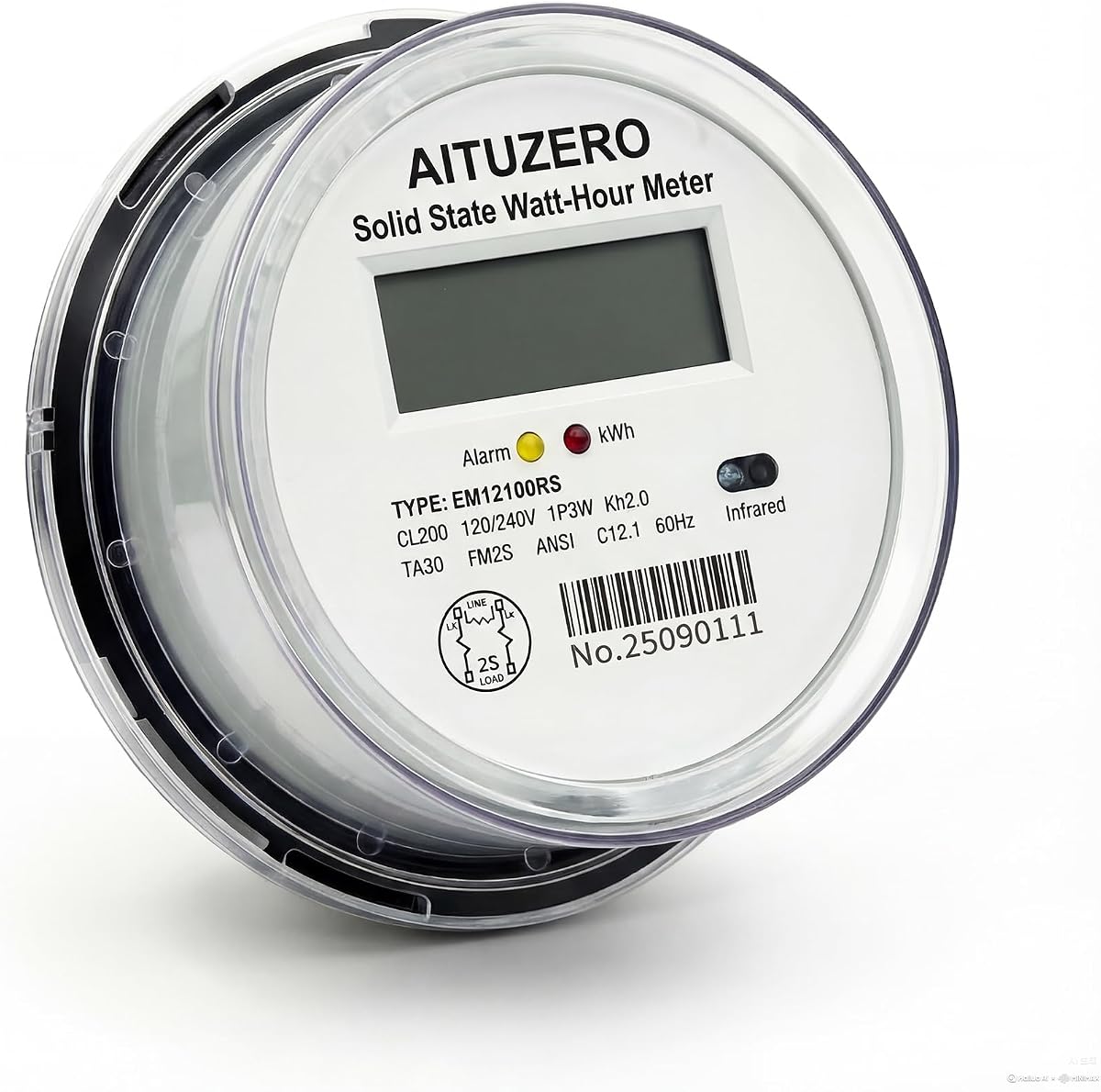
This digital energy meter is a top choice for landlords and DIY users seeking accurate sub-metering. It boasts a 4.5-star rating and features a bright LCD for clear kWh readings.
We may earn a commission when you buy through this link, at no additional cost to you.
The ANSI 2S plug-in design fits standard socket bases making installation fast without special tools. It measures usage across tenants or circuits to enable fair billing and energy tracking.
While it lacks built-in cloud connectivity its pulse and Modbus outputs allow simple system integration for tech setups. The reverse LED ensures correct wiring for safety.
Buy this if you need a reliable plug-in meter for RVs or rental units. Its balance of features and ease of use makes it a versatile solution for various electrical setups.
The ANSI 2S 4-jaw fit allows a quick snap-in install into standard meter bases.
Ideal for hybrid off-grid systems revealing real-time power flow and solar output trends.
We may earn a commission when you buy through this link, at no additional cost to you.
This CL200 sub meter stands out for its advanced RS485 Modbus communication and import export tracking. It holds a 4.8-star rating and offers detailed electrical data on a large LCD.
We may earn a commission when you buy through this link, at no additional cost to you.
Landlords can use it to monitor tenant spaces with accurate kWh data. The Modbus network capability supports multiple meters for centralized monitoring and data collection.
The multi-parameter display shows voltage current power factor and frequency automatically. While it lacks direct cloud integration its communication ports allow flexible connection to gateways or loggers.
Choose this for professional sub-metering applications requiring precise data. Its high rating reflects reliability and the ability to track complex energy flows like solar backfeeds.
Multiple meters can be connected through an RS485 network for centralized data collection.
The reverse current LED indicator provides quick status feedback when current direction changes.
We may earn a commission when you buy through this link, at no additional cost to you.
The Series 2000 is a robust energy sub meter designed for residential or commercial settings with high load demands. It features a durable enclosure and supports up to 200 amps.
We may earn a commission when you buy through this link, at no additional cost to you.
Users can select from 1PH 2W or 3W configurations to suit their specific electrical systems. The broad voltage range covers 120V to 240V ensuring wide compatibility.
While its rating is lower than plug-in models its construction is built for rugged outdoor installations. This makes it ideal for industrial or heavy use cases where durability is paramount.
Consider this if you need a high-capacity meter for commercial panels. Its flexible setup allows it to adapt to various complex electrical environments effectively.
Durable enclosure designed for outdoor installations rated for up to 200 Amps.
Flexible setup supporting 1PH 2W or 3W configurations to suit various systems.
We may earn a commission when you buy through this link, at no additional cost to you.
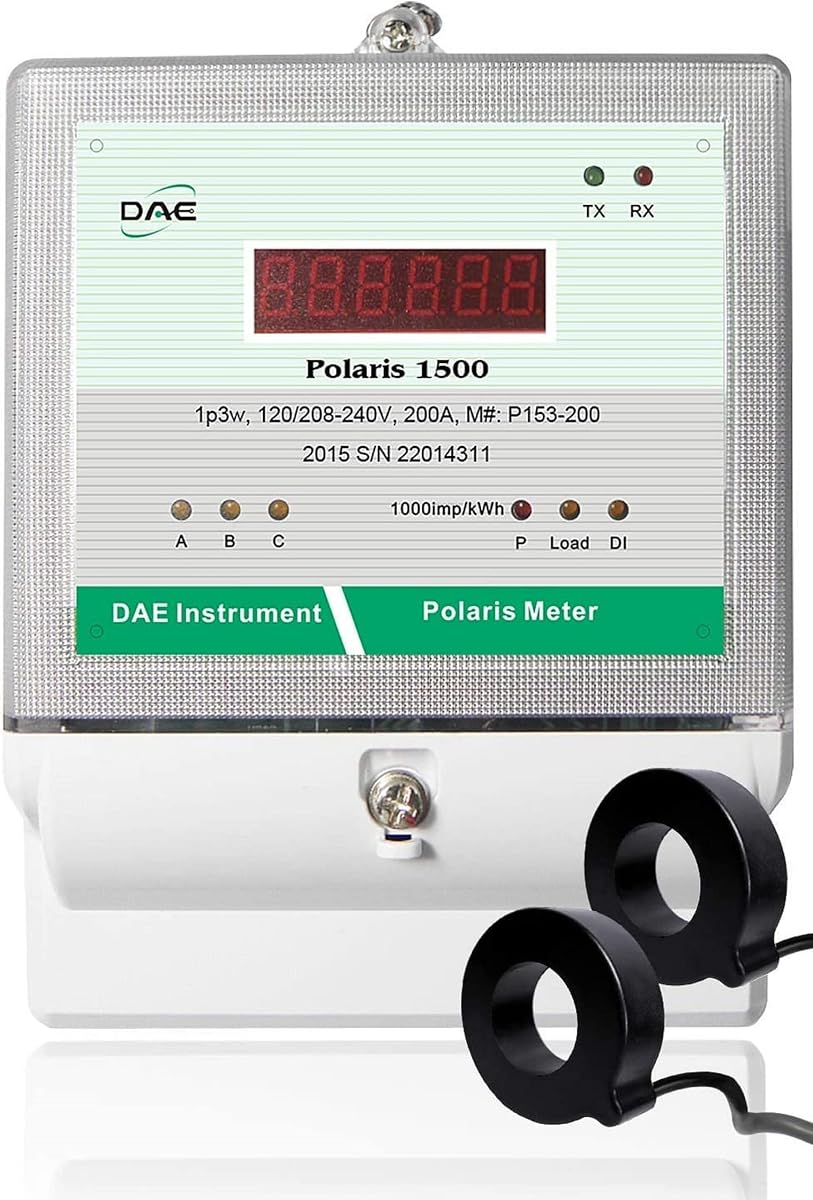
This kit includes a UL CTEP approved smart sub meter with revenue grade accuracy. It comes with two CTs and supports DAE Cloud Metering for remote monitoring.
We may earn a commission when you buy through this link, at no additional cost to you.
Landlords can access real-time data and TOU billing reports through a simple setup without IT skills. The RS485 communication enables professional integration.
The kit supports wireless RF converters if hardwiring is difficult between the panel and router. However it is for indoor use only unless an optional watertight enclosure is added.
Select this for professional billing applications needing high accuracy. Its cloud features simplify energy management for multi-tenant properties or remote sites.
CC2030 Gateway collects data and sends it to Cloud Server through Ethernet.
Use RF converters to connect electric meter and gateway wirelessly.
We may earn a commission when you buy through this link, at no additional cost to you.
The DEM730P features internal current transformers for a streamlined installation. It connects via RS485 and supports the DAE Cloud Metering system.
We may earn a commission when you buy through this link, at no additional cost to you.
This meter is rated for 50A and 120/240V making it suitable for smaller circuits or light loads. It complies with international standards for reliability.
Wireless connection options are available if running cables is difficult. However it requires an optional watertight enclosure for outdoor use.
Choose this for compact setups needing simple CT integration. Its internal design reduces external wiring complexity for small panels.
Built with internal current transformers reducing external wiring needs.
Conforms to International Standard IEC61036 for reliable performance.
We may earn a commission when you buy through this link, at no additional cost to you.
This three-phase meter is ideal for commercial applications needing broad voltage and high current capacity. It includes three CTs and supports revenue grade accuracy.
We may earn a commission when you buy through this link, at no additional cost to you.
The kit supports both 3-phase 4-wire and 3-wire configurations. It connects via RS485 and offers cloud reporting for property managers.
Like the single-phase variant wireless RF options are available for difficult wiring runs. It is indoor only unless a watertight enclosure is used.
Opt for this in multi-phase industrial settings. Its capacity and accuracy make it a top choice for professional energy monitoring.
Compatible with 120-480V power supplies for versatile industrial use.
Good for both 3 phase 4 wire and 3 phase 3 wire systems.
We may earn a commission when you buy through this link, at no additional cost to you.
This meter features a pass-through design simplifying installation by allowing wires to connect directly. It supports 100A and works on 120V to 240V systems.
We may earn a commission when you buy through this link, at no additional cost to you.
It offers flexibility for 2-wire or 3-wire configurations making it suitable for varied setups. Users can read locally via LCD or remotely via pulse output.
While it lacks advanced communication ports it delivers accurate energy tracking for standard circuits. Its simplicity makes it a solid choice for basic monitoring needs.
Buy this for straightforward pass-through installations. It balances ease of use with reliable performance for 100A circuits.
Pass-Through design allows 2 or 3-Wire connections directly.
Read locally on the LCD display or remotely via pulse output.
We may earn a commission when you buy through this link, at no additional cost to you.
This kit boasts a perfect 5.0 rating and features internal CTs with Din rail mounting. It supports cloud metering via a gateway for real-time data access.
We may earn a commission when you buy through this link, at no additional cost to you.
The meter can monitor the whole electrical panel without connecting the neutral wire. It also handles 240V circuits from dual-pole breakers.
Wireless RF converters are available for existing buildings where cabling is difficult. Indoor use requires an optional enclosure for outdoor applications.
Select this for panel monitoring needing Din rail integration. Its high rating reflects excellent quality and ease of setup.
Can monitor the whole electrical panel for both 120V and 240V circuits.
Ready for Cloud Metering with DAE CC2030 Gateway and Ethernet.
We may earn a commission when you buy through this link, at no additional cost to you.
This universal meter works on 2 or 3-wire systems and supports 100A loads. It provides local LCD readings or remote pulse output tracking.
We may earn a commission when you buy through this link, at no additional cost to you.
It adapts to 120V up to 120/240V configurations making it versatile for different setups. The simple design ensures reliable kWh tracking.
While communication is limited to pulse output it offers solid performance for general energy monitoring needs.
Buy this for versatile setups needing a reliable universal meter. Its adaptability makes it useful for various residential circuits.
Works on 2 or 3-Wire configurations up to 100A.
Read locally on the LCD display or remotely via pulse output.
We may earn a commission when you buy through this link, at no additional cost to you.
This E-Mon sub meter offers a Class 1000 rating suitable for demanding energy applications. It handles 1 or 2 phase configurations with 100A current capacity.
We may earn a commission when you buy through this link, at no additional cost to you.
It covers 120/208-240 volt ranges providing broad compatibility for commercial panels. Its solid reputation reflects reliability in sub-metering contexts.
While specific communication features vary by model it delivers accurate energy tracking for professional use.
Choose this for Class 1000 rated projects. Its robust design supports complex electrical monitoring needs.
Class 1000 rating supports demanding commercial energy applications.
Operates on 1 or 2 Phase configurations for versatile setup.
We may earn a commission when you buy through this link, at no additional cost to you.
Selecting the right electric sub meter depends on your specific electrical setup and monitoring goals. We outline key factors to help you narrow down your choices effectively.
Ensure the meter matches your system voltage such as 120V 240V or 480V. Single phase units work for homes but three-phase may be needed for commercial panels. Check if it supports 2-wire or 3-wire configurations to match your wiring.
The meter must handle the maximum expected current without tripping. Common capacities are 50A 100A or 200A. Choose a unit with an amperage rating equal to or higher than your panel's main breaker to ensure safety and accuracy.
Look for RS485 Modbus or pulse output if you need remote monitoring. Some models offer cloud gateway integration for real-time data access. Ensure your chosen meter supports the communication protocol compatible with your existing tools.
Plug-in meters fit standard socket bases for simple swaps. Pass-through or CT-based kits require wiring connections. Choose a mount type that fits your panel layout whether it is Din rail or socket base.
Revenue grade accuracy such as 0.5 is vital for billing. Check for UL CTEP or ANSI certifications to ensure compliance. Standardized accuracy helps avoid disputes and ensures reliable energy tracking.
A clear LCD with backlight helps read data in low light. Look for models that cycle through voltage current and power factor automatically. Local readouts are useful for quick checks without extra hardware.
If installing outdoors verify the housing is sealed or rated for weather. Indoor meters may require an enclosure for wet locations. Check temperature ranges to ensure the meter works in your climate.
Features like import/export tracking and solar detection add value for renewable setups. Look for EEPROM memory to retain data during power outages. Time of Use billing support helps with advanced rate structures.
Regularly check the LCD display for error codes or low battery warnings. Keep the housing clean and free of dust to maintain accuracy. If the meter has a communication port inspect connections periodically for loose wires.
An electric sub meter tracks energy consumption for individual circuits or tenants within a larger system. It allows landlords to bill accurately and users to monitor solar output or appliance usage. Sub-metering helps identify high-use devices and reduce waste.
Turn off the main breaker before attempting installation. Remove the existing analog meter from the socket and snap the digital unit into place ensuring all contacts align. Verify the wiring is secure before restoring power to avoid sparks.
Yes many models offer import/export functionality to track solar power generation. Look for a meter with a reverse flow LED to detect backfeed. Ensure the unit can handle the expected voltage and current of your solar system.
1-phase meters work with standard residential voltages while 3-phase units handle commercial loads. 3-phase meters measure all three hot lines simultaneously. Select based on your panel's breaker configuration and total amperage.
Most cloud-enabled models require an external gateway to transmit data to a server. Some meters support local pulse output for simple logging. Check the product details to confirm if the gateway is included or sold separately.
Revenue grade models comply with ANSI C12 standards and offer accuracy within 0.5 percent. Standard plug-in units are precise for tracking consumption but may not be certified for utility billing. Check the specifications for revenue grade compliance if billing is the goal.
Remember to check current availability and specifications as they may update over time. Use our comparison table to find the right fit for your rental property solar setup or commercial space.